Converting Astrocytes Into Neurons Reverses Motor Deficits in a Model of Parkinson’s Disease

Post by Amanda McFarlan

What's the science?

Parkinson’s disease is a neurodegenerative disorder associated with motor deficits caused by the substantial loss of dopaminergic neurons in the substantia nigra (a region involved in reward and movement). Recent studies have shown that it is possible to reprogram fibroblasts (cells involved in synthesizing the extracellular matrix and collagen) to become neurons by downregulating the RNA-binding proteins polypyrimidine tract-binding protein (PTB) and nPTB (another member of the PTB family) since both PTB and nPTB suppress factors that prevent cells from developing into a neuron. Like fibroblasts, glial cells in the brain known as astrocytes are also flexible with respect to cell fate, however, whether they can be converted to neurons is still unknown. This week in Nature, Qian and colleagues investigated whether astrocytes in the substantia nigra could be converted into functional dopaminergic neurons and whether this conversion could restore neuronal populations and motor deficits in a chemically-induced model of Parkinson’s disease.

How did they do it?

To determine whether astrocytes could be converted into neurons, the authors used reverse transcription qPCR to measure the expression levels of neuron-specific transcription factors and microRNAs in mouse astrocytes from the cortex and midbrain. They hypothesized that, unlike fibroblasts, the knockdown of PTB alone would be sufficient to convert astrocytes into neurons. To test this hypothesis, the authors disrupted PTB signalling in-vitro in cell cultures by transducing astrocytes from both mouse and human tissue with a virus containing a small hairpin RNA against PTB. Eight weeks later, the authors determined whether the astrocytes had been converted to neurons by using patch clamp recordings to assess their electrophysiological properties. Then, the authors investigated whether astrocytes could be converted into neurons in vivo by using viral injections to induce PTB knockdown in astrocytes in the mouse midbrain. Ten weeks after the viral injections, the authors confirmed whether the astrocytes in the substantia nigra of the midbrain had been successfully converted into dopaminergic neurons by assessing their morphological properties and expression of neuronal markers. They then investigated whether the conversion of astrocytes into dopaminergic neurons in the substantia nigra could be used to reconstitute the neuronal population in this area following an injury. They used the 6-hydroxydopamine (a neurotoxin that destroys dopaminergic neurons) model of Parkinson’s disease to deplete the substantia nigra of dopamine neurons and then performed viral injections to induce PTB knockdown in astrocytes as previously described. Finally, the authors used chemogenetics and behavioural tests to determine whether injury-induced impairments to mouse motor function can be restored by converting astrocytes in the injured area into neurons.

What did they find?

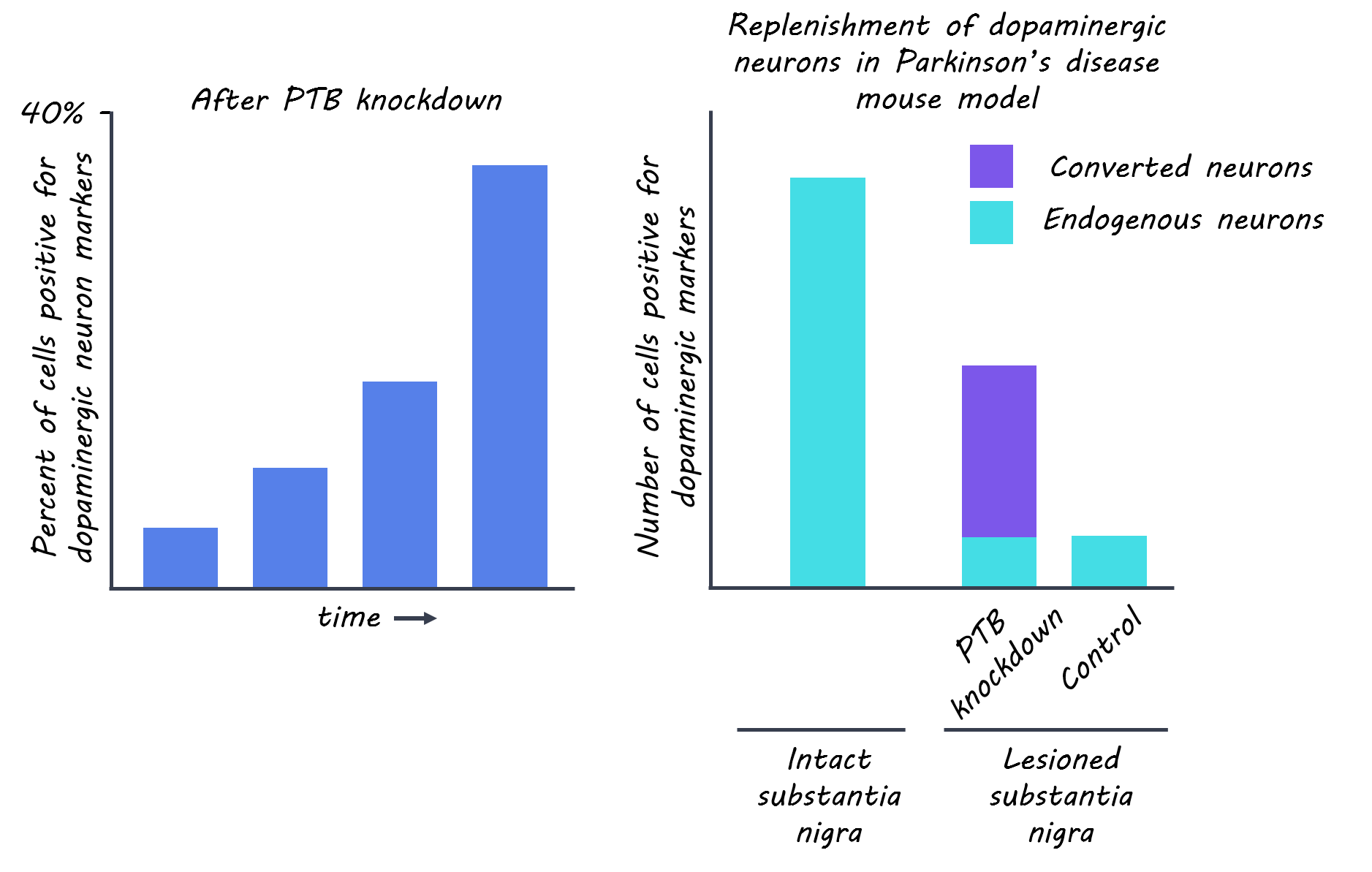
The authors determined that up to 80% of astrocytes displayed neuronal morphologies only four weeks after in-vitro viral transduction. These cells also exhibited neuron-specific electrophysiological properties including voltage-gated sodium and potassium channels and action potential firing, suggesting that PTB knockdown is sufficient to convert astrocytes into neurons in both mouse and human tissue. Then, the authors revealed that the in vivo conversion of astrocytes to neurons in the substantia nigra was a gradual process, with 20% conversion at three weeks, 60% conversion at five weeks, and finally, 80% conversion at ten weeks post-injection. Moreover, they observed that these dopaminergic neurons projected to areas of the nigrostriatal pathway including the caudate, putamen, and the nucleus accumbens. Together, these findings suggest that astrocytes in the substantia nigra can be converted into dopamine neurons that are re-incorporated into the nigrostriatal pathway in a time-dependent manner.
Amanda.png

Next, the authors showed that the conversion of astrocytes to neurons restored the population of dopaminergic neurons in the substantia nigra to 33% of the initial number prior to injury. Injury-induced motor deficits resulting from the depletion of dopaminergic neurons were gradually restored to almost normal levels following the viral transduction of astrocytes. Furthermore, chemogenetic manipulations confirmed that these improvements in motor deficits were due to the reconstitution of the dopaminergic neuronal population in the substantia nigra

What’s the impact?

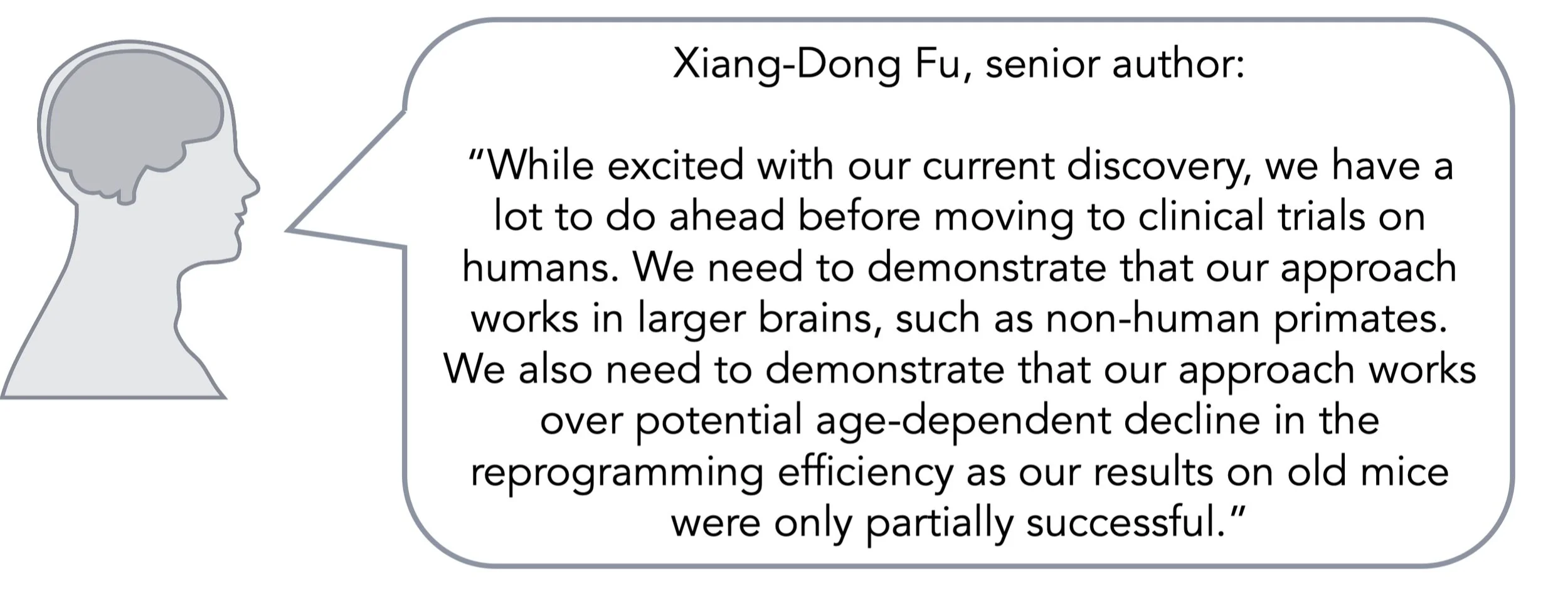
This is the first study to show that it is possible to reprogram astrocytes in the substantia nigra of the mouse brain to become functional dopaminergic neurons. Moreover, the authors demonstrated that this conversion of astrocyte to neuron could be used to partially restore the population of dopaminergic neurons in the substantia nigra as well as improve motor deficits following a chemically induced lesion to this area. Together, these findings provide exciting new insights into possible treatments that could be developed to treat individuals with neurodegenerative disorders, like Parkinson’s disease, that are associated with a substantial loss of neuronal populations. 
Fu_quote_Jun30.jpg

Qian et al. Reversing a model of Parkinson’s disease with in situ converted nigral neurons. Nature (2020). Access the original scientific publication here.
Effects of Neurofeedback on Emotional Regulation in Adolescent Females

Post by Elisa Guma

What's the science?

Adolescence is characterized by a wide range of neural changes that subserve higher order socio-emotional and cognitive function. During this transition period deficits in emotional regulation may emerge putting individuals at higher risk for developing psychiatric illnesses. The structural and functional connectivity of the amygdala and prefrontal cortex (PFC) are thought to play a key role in modulating emotional regulation, however, it is unclear whether we can intervene to actively shape these connectivity patterns to improve emotional and cognitive abilities during this critical time. This week in Neuroimage, Zich and colleagues aim to investigate if they can successfully use neurofeedback (a type of biofeedback aimed at teaching individuals self-control of brain activity via visual or audio feedback) from functional magnetic resonance imaging (fMRI) to help individuals regulate their emotions in real time.

How did they do it?

The authors conducted three different experiments to investigate whether neurofeedback based on an individual’s own PFC-amygdala connectivity could be used to modulate neural and emotional measures relevant for emotion regulation. In all experiments, adolescent females were evaluated on their emotional regulation abilities, as well as a variety of mood and anxiety measures. The first experiment was used to determine the best neurofeedback implementation. During the neurofeedback task participants were shown an image of a ten-segment thermometer while undergoing fMRI. During blocks in which no neurofeedback was occurring, the temperature was frozen at 6/10, whereas during neurofeedback blocks, the temperature of the thermometer was a direct real-time reflection of the PFC-amygdala connectivity. Participants were asked to try to control the temperature of the thermometer by controlling their thoughts and feelings and revisiting emotional reappraisal strategies. The three different implementations varied slightly in the way the thermometer displayed a change in connectivity.

Experiment 2 replicated experiment 1, except with a larger sample, and the best neurofeedback implementation (gleaned from experiment 1). Finally, in Experiment 3, the number of neurofeedback blocks was doubled, and the authors also collected Magnetic Resonance Spectroscopy data from the anterior cingulate cortex (implicated in reward processing) and PFC to measure Gamma aminobutyric acid (GABA) and glutamate, the major inhibitory and excitatory neurotransmitters in the brain. 

What did they find?

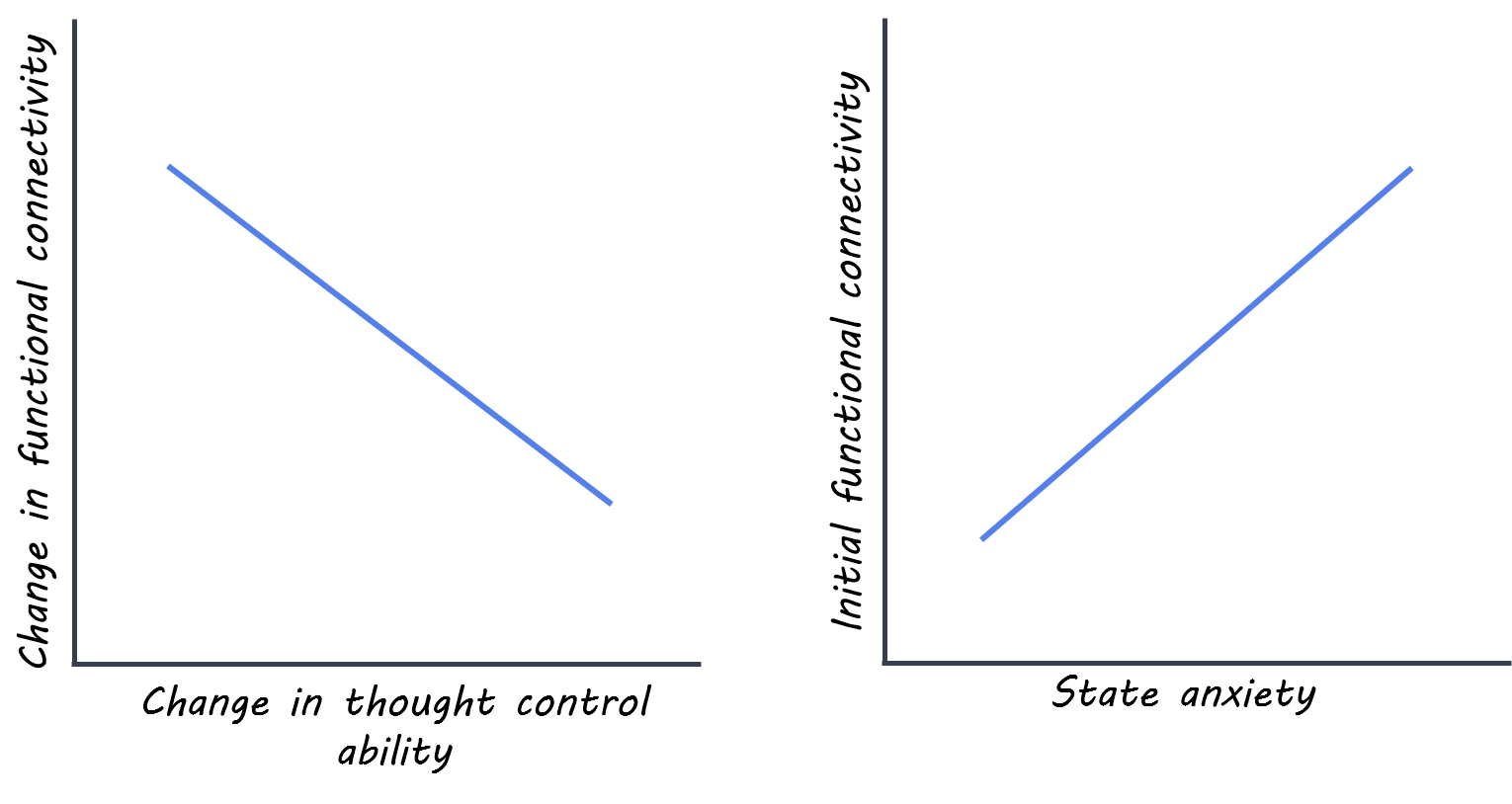
In their first experiment, the authors identified the best neurofeedback implementation and found a negative reinforcement of functional connectivity to be optimal (i.e. if the thermometer changes from 2/10 to 3/10 there was a more negative correlation of PFC-amygdala connectivity). In experiment 2, the authors aimed to assess the effects of one neurofeedback session on neural, emotional/cognitive measures, and their association in a larger sample. They did not find a significant change in emotional/cognitive measures or in the change in functional connectivity at the group level, but they did observe a practice-related change in connectivity, related to changes in thought control ability. Further, they found that state anxiety before the MRI session influenced the difference between functional connectivity in neurofeedback blocks relative to those with no neurofeedback.

Elisa_picture.png

Finally, in experiment 3 the authors replicated the findings from above in an independent sample. Moreover, they found that the concentrations of the inhibitory neurotransmitter, GABA ⁠— in both the PFC and anterior cingulate cortex ⁠— moderated the relationship between state anxiety before the MRI session and the effect of neurofeedback on PFC-amygdala functional connectivity.

What's the impact?

The study provides evidence for the feasibility of using neurofeedback in adolescent females to modulate functional connectivity measures between the prefrontal cortex and the amygdala. Further, the authors show that the relationship between state anxiety and the effect of the neurofeedback was modulated by GABA concentrations in the PFC and anterior cingulate cortex. Future studies may investigate the effects of longer training sessions and extend this work into populations with neuropsychiatric disorders.

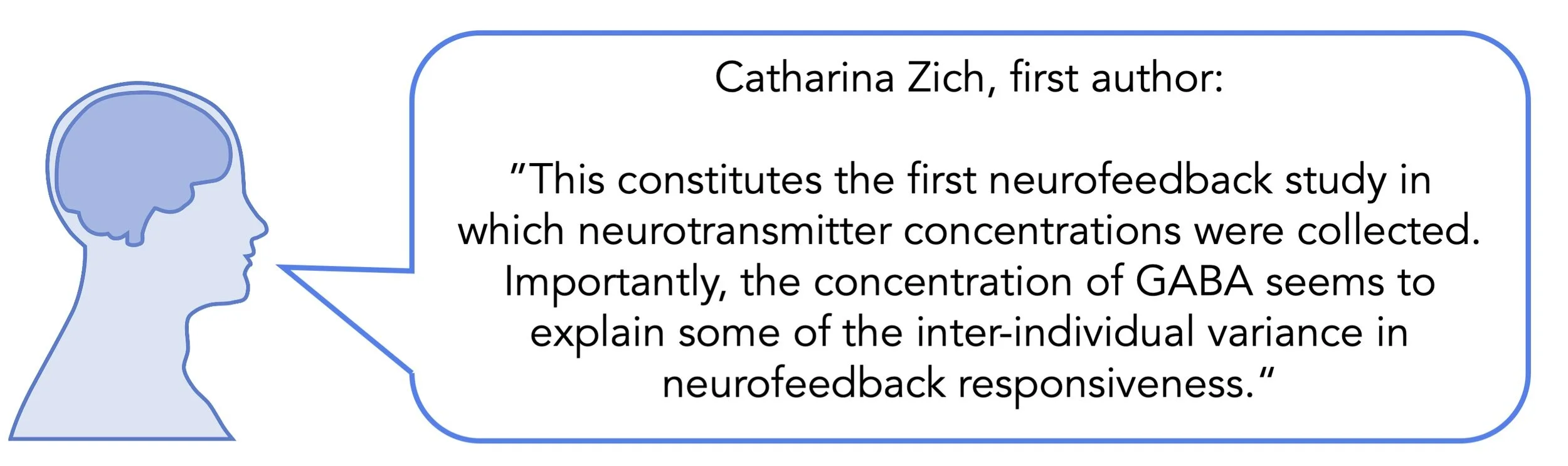
Zich_quote_Jun30.jpg

Zich et al. Modulatory effects of dynamic fMRI-based neurofeedback on emotion regulation networks in adolescent females. Neuroimage (2020). Access the original scientific publication here

The Effects of Social Distancing on Body and Brain

Post by Anastasia Sares

What’s the science?

Humans evolved to be social with one another, and we function best when we have strong relationships and regular social contact. However, in many cities, half or more of the inhabitants live alone, and in the current COVID-19 pandemic, people are additionally deprived of in-person interactions at work and social gatherings. It is a good time to remind ourselves of the far-reaching impacts of loneliness and find ways to mitigate it. This week in Trends in Cognitive Sciences, Bzdok and Dunbar reviewed the consequences of social isolation and what we know about its neurobiology.

What do we already know?

Social connectivity is a huge factor in life expectancy. Social isolation increases the risk of dying within the next decade by 25%. The death of someone close, like a spouse, increases the likelihood of death in the immediate future by more than 15%. Severe social deprivation also shortens our telomeres, which are like caps on the DNA of every cell. Shortening telomeres are linked to aging.

Social connectivity is also related to immune function and physical health. In both humans and other primates, social belonging is related to stronger immune responses, faster wound healing, better regulation of stress hormones, lower systolic blood pressure, lower body mass index, and less inflammation. Finally, social connectivity protects against depression. People with a history of depression are 25% less likely to become depressed again if they belong to one social group (like a sports club, church, hobby group, or charity). If they belong to three social groups, their risk is decreased by around 67%.

One caveat for many of these large-scale human studies is that they involve correlation instead of causation. For example, if social isolation and body-mass index (weighing more for your height) are correlated, does it mean that social isolation leads to a higher body-mass index, or that having a higher body-mass index leads to social isolation? However, accumulating evidence from many different fields seems to indicate that loneliness is detrimental to our well-being.

What’s new?

We now understand a little better what’s going on in the brain. Advances in neuroscience have shown that social cognition recruits areas such as the default mode network (related to identity, reflection, etc.) and the limbic system (involved in emotion, motivation, and threat processing). Social isolation affects the brain just as much as the body—the shape and size of the limbic system change with our level of social isolation, and it also affects communication within the default mode network, and between the default mode network and the limbic system. 

Meanwhile, our social lives have gone digital. Research shows that people’s social tendencies are similar online. We seek out social interaction with the same frequency and have a similar social network as in real life. The problem with online interaction is that it is lower quality: until the rise of video chats, we couldn’t even pick up on facial expression and body language, which are important nonverbal cues. Synchronous behavior is still a challenge because of short delays in communication—as anyone who has tried to sing “Happy Birthday” in a conference call will know. Synchronous activities like team rowing or singing in a choir promote bonding in ways similar to physical touch and grooming and can help to prevent or reduce feelings of isolation. In short, nothing can fully replace face-to-face interaction, but digital communication does help to alleviate loneliness to some degree.

What's the bottom line?

We must take our social connections seriously, individually, and as a society. During times of social isolation like the current pandemic, this is especially important, but trends of urban living and aging populations mean that it is an issue we will be dealing with for years to come. Community organizations and hobby groups are crucial to preserving social interaction and community in this regard, as they can help to protect against social isolation.

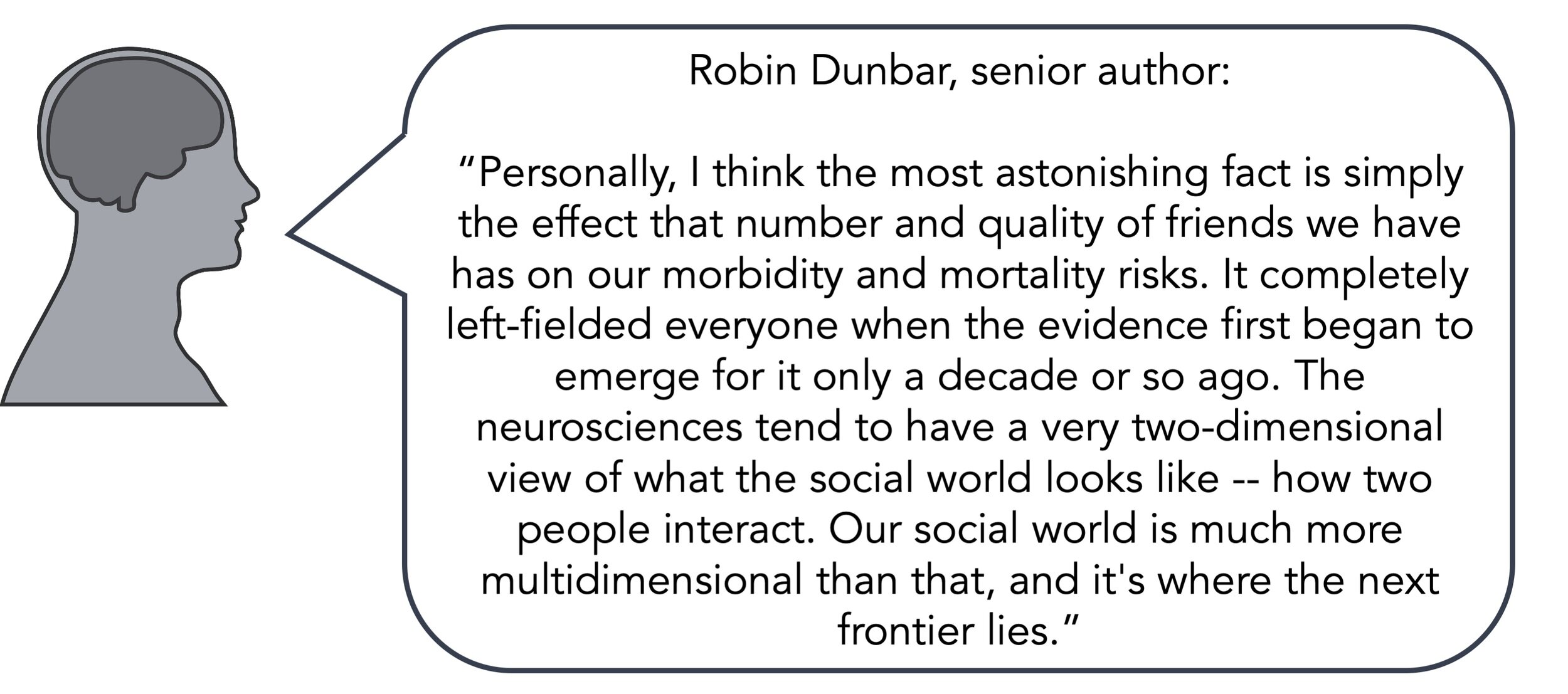
Dunbar_quote_Jun30.jpg

Bzdok and Dunbar. The Neurobiology of Social Distance. Trends in Cognitive Sciences (2020). Access the original scientific publication here.