Immune Cells are Differentially Shaped by Brain Tumor Microenvironments

Post by Cody Walters

What’s the science?

Brain tumors can result from either mutations to cells endogenous to the central nervous system (primary tumors) or from metastases - cancerous cells arising from tumors elsewhere in the body that infiltrate the brain (secondary tumors). It is unknown whether there are compositional differences between primary and secondary brain tumors. Specifically, it remains unclear whether tumor-associated macrophages play a role in shaping the tumor microenvironment. This week in Cell, Klemm et al. employed a battery of analyses to characterize how the immune landscape is differentially affected in primary and secondary brain cancers.

How did they do it?

The authors analyzed three human brain tissue sample types: non-tumorous, gliomas, and brain metastases. IDH is an enzyme whose mutation status is known to be a close predictor of tumor severity. Thus, brain tumor samples were further divided based on their IDH status: wild type (associated with rapid tumor growth) or mutant (associated with slower tumor growth). The authors investigated various immune cell populations using a variety of methods, namely, flow cytometry (a method for quantifying the size and granularity of single cells) and RNA-seq (a method for measuring which genes in a tissue sample are active and how much those genes have been transcribed). Two tumor-associated macrophage populations — microglia and monocyte-derived macrophages — were of special interest. The authors explored how these two tumor-associated macrophage populations interacted with the tumour microenvironment in gliomas and brain metastases. 

What did they find?

The authors used a panel of cell-surface markers (e.g., CD49D) to differentiate between the two tumour-associated macrophage populations: tumour-associated microglia from tumour-associated monocyte-derived macrophages. They found that tumour-associated microglia and tumour-associated monocyte-derived macrophages expressed different genes based on the tumour type they came from, with principal component analysis revealing that microglia, monocyte-derived macrophages, neutrophils, and T cells explained the most variance in the flow cytometry data. 

The authors investigated the proportion of microglia and monocyte-derived macrophage cells in the different tumour types and found that microglia were relatively more abundant in IDH mutant gliomas whereas monocyte-derived macrophages were relatively more abundant in IDH wild type gliomas. Next, the authors investigated how tissue type (non-tumour, glioma, or brain metastases) influences differential gene expression. Using leading-edge metagene analysis (a method which identifies co-regulated genes across multiple gene sets of interest), they found that microglia and monocyte-derived macrophages coming from different tumour microenvironments have unique transcriptome profiles. This suggests that the microenvironment unique to each type of brain malignancy has the ability to modify the functional state (i.e., the activation state) of tumour-associated macrophages.

The authors then explored whether glioma IDH status (mutant or wild type) modifies tumour-associated macrophage activation state, finding various changes in gene expression associated with IDH status. They were then able to identify relationships between the enrichment of specific gene sets and patient survival rates, showing that tumour-associated- monocyte-derived macrophage IDH wild type gene sets with high enrichments scores were seen in IDH mutant patients with poor survival rates while tumour-associated monocyte-derived macrophage IDH wild type gene sets with low enrichment scores were seen in IDH wild type patients with improved survival rates. Next, they explored whether tumor-infiltrating immune cells affected the tumour microenvironment. In agreement with RNA-seq data, protein array data showed that inflammatory pathways were enriched in brain malignancies. Using self-organizing maps (an unsupervised dimensionality reduction and clustering algorithm) of RNA expression rates, the authors discovered that tumour-associated macrophages contributed significantly to the production of inflammatory proteins (such as SPP1 and IHNBA).
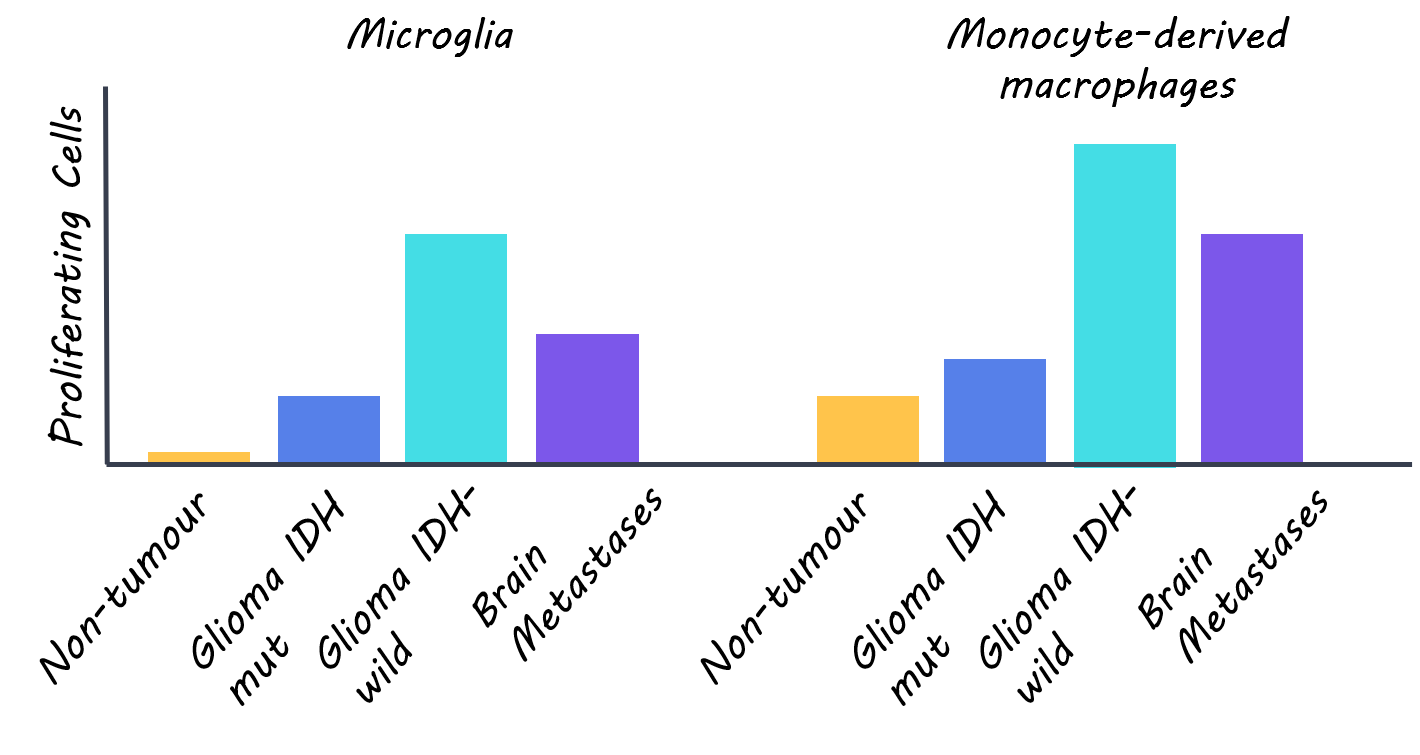
cody_picture.png

The authors then examined transcriptome changes in tumor-associated macrophages in brain metastases. They found elevated expression of tumour-promoting extracellular matrix proteins in tumour-associated monocyte-derived macrophages relative to tumour-associated microglia, which suggests that tumour-associated monocyte-derived macrophages play a role in remodeling the extracellular matrix and thus sculpting the tumour microenvironment in brain metastases. Finally, the authors looked at T cell activation states in brain metastases, finding that CD4+ T cells were hyperactive while CD8+ T cells were hypoactive (relative to T cells found in IDH wild type gliomas). Furthermore, they found upregulation of T cell activators in tumour-associated macrophage populations (proteins that have either excitatory or inhibitory effects on T cells). These data suggest that tumour-associated macrophages also exert an immunomodulatory effect in brain metastases.

What’s the impact?

Treatment options for brain cancer are limited and the prognosis for patients tends to be poor. Developing an understanding of the tumour microenvironment associated with various brain cancers has the potential to open up a rich pool of candidate targets for new tumour-specific and even genome-specific immunotherapies.
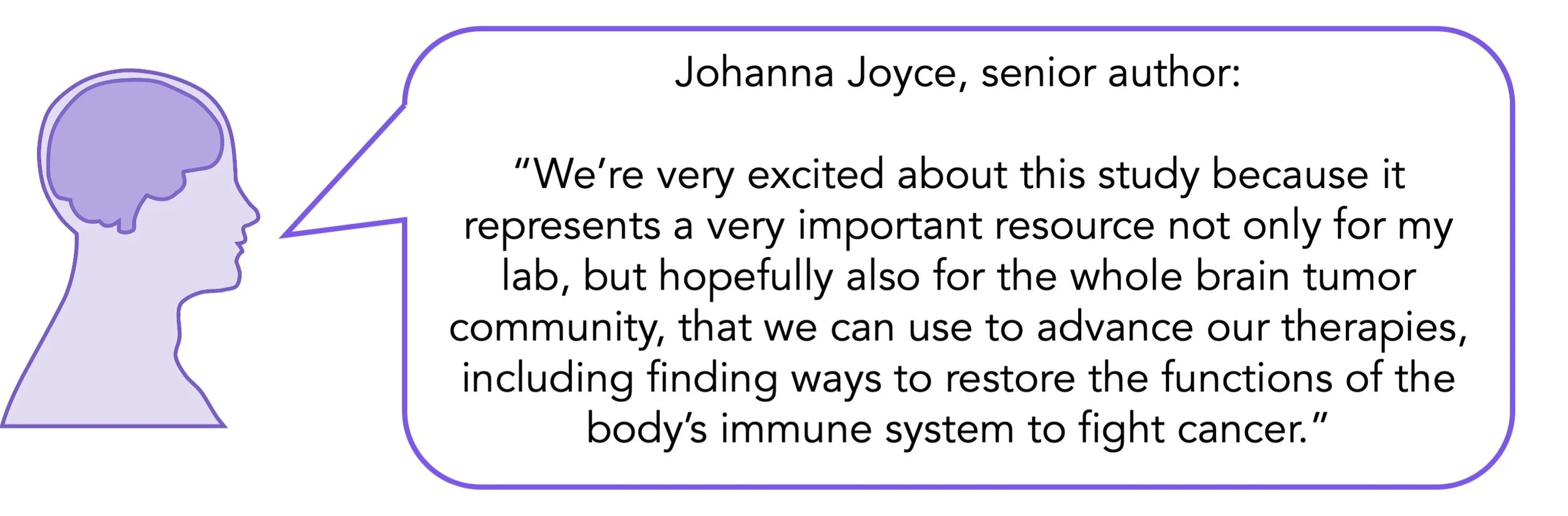
Joyce_quote_Jun2.jpg

Interrogation of the Microenvironmental Landscape in Brain Tumors Reveals Disease-Specific Alterations of Immune Cells. Cell, (2020). Access the publication here.
Working Memory Performance in Childhood is Related to Frontoparietal Activity

Post by Shireen Parimoo

What's the science?

Working memory is the ability to store and manipulate information in mind; it is crucial for complex cognitive behaviors like reasoning, problem-solving, and planning that facilitate daily functioning. Working memory develops throughout childhood and adolescence, and peaks in adulthood before declining in older age. It is supported by cognitive processes like attention and executive functions that activate regions of the brain’s frontoparietal network, which includes regions such as the lateral prefrontal cortex. However, the link between working memory, other cognitive processes, and the neural activity supporting those processes in childhood has not been well-established. This week in Journal of Neuroscience, Rosenberg and colleagues used functional magnetic resonance imaging (fMRI) and a battery of cognitive tasks to investigate the relationship between working memory and a range of cognitive processes.

How did they do it?

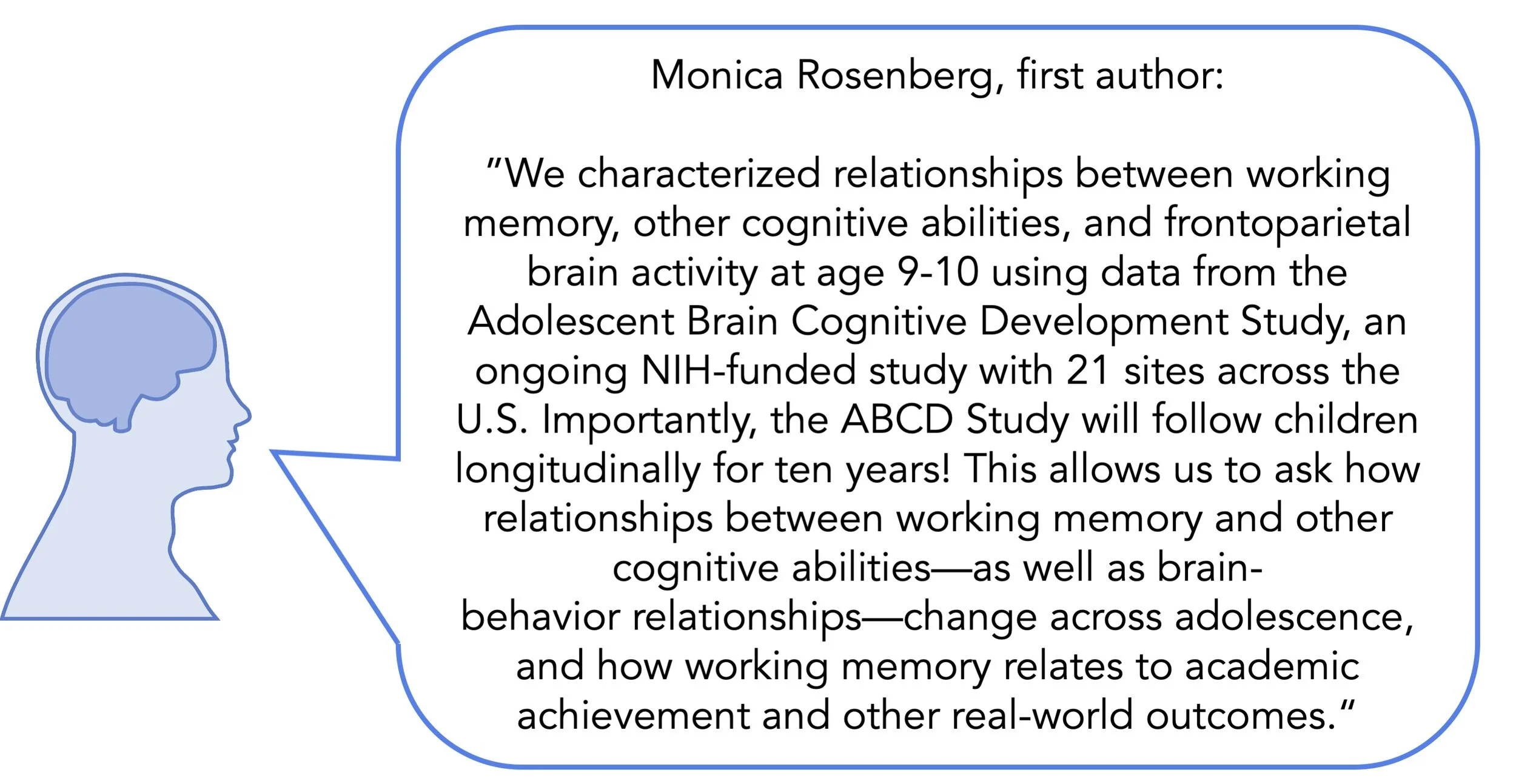
Participants were 11,537 children between 9-10 years old who were part of the longitudinal Adolescent Brain Cognitive Development Study. In the first year, the children completed several tasks while undergoing fMRI scanning and outside the scanner. These tasks assessed a range of cognitive functions such as working memory (list sorting task), recognition memory, fluid intelligence (matrix reasoning task), language abilities (e.g. picture vocabulary test), and attention (e.g. flanker task), among others. The in-scanner tasks included an emotional n-back task with high (2-back) and low (0-back) working memory loads, a monetary incentive delay task measuring reward processing, and the stop-signal task assessing inhibitory control. Participants also performed a recognition memory task outside the scanner for the stimuli presented during the emotional n-back task. To better understand the relationship between working memory and other cognitive functions, the authors first correlated performance on the list-sorting task with performance on the other behavioral tasks.

To characterize relationships between working memory and brain activity related to different cognitive processes, the authors next related working memory performance on the list sorting task to fMRI activity observed during the in-scanner tasks. To isolate the contribution of working memory to task-related activity, they examined the contribution of non-working memory processes to neural activity observed during the three in-scanner tasks. For example, they contrasted activity in response to neutral and emotional stimuli in the n-back task, which allowed them to examine how brain activity related to emotion regulation is related to working memory performance. Finally, these analyses were performed while controlling for variables such as age, sex, fluid intelligence, and testing site to ensure that the results were not driven by confounding variables. 

What did they find?

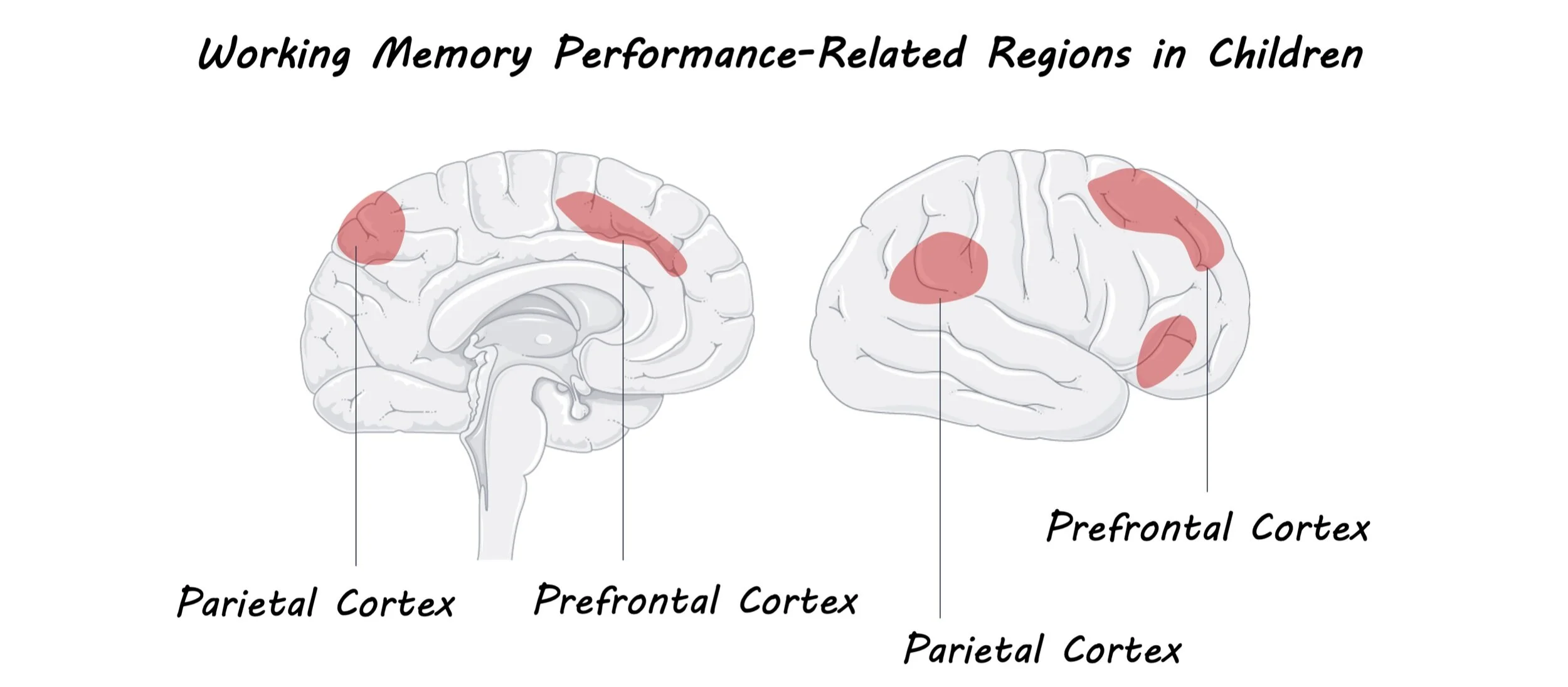
Working memory performance was strongly related to language skills, fluid intelligence, attention, as well as performance on the emotional 2-back task. Importantly, these associations were significant even after controlling for age, sex, and other confounding variables. Interestingly, reward processing and inhibitory control were not strongly related to working memory performance, although that could be attributed to low task reliability of the reward processing task. Together, these results highlight the link between working memory and a wide variety of cognitive functions in late childhood.

working_memory_Jun2.jpg

Higher working memory performance on the list-sorting task was related to greater activation of regions in the frontoparietal control network like the dorsolateral prefrontal cortex and the precuneus during high memory load 2-back relative to low-load 0-back blocks of the emotional n-back task. This was particularly the case at high memory load in the 2-back task compared to the low-load 0-back task, indicating that children activate similar regions under high working memory load as adults. In other words, children with stronger working memory abilities showed greater frontoparietal network activation during a more challenging working memory task compared to children with weaker working memory abilities

What's the impact?

This study is the first to comprehensively detail the association between individual differences in working memory, cognitive processes, and fMRI activity on multiple cognitive tasks in a large developmental sample of participants. The finding of working memory-specific frontoparietal activation opens up exciting avenues for future research to use this as a marker to explore differences in working memory ability across a diverse range of populations.

Rosenberg_quote_Jun2.jpg

Rosenberg et al. Behavioral and neural signatures of working memory in childhood. Journal of Neuroscience (2020). Access the original scientific publication here.

Timely Motor Learning Promotes Remyelination

Post by D. Chloe Chung

What's the science?

Oligodendrocytes are the important source of myelin sheaths in the brain that wrap around neuronal axons and provide insulation. Since demyelinated axons can be prone to injuries and degeneration, research efforts have focused on developing ways to restore the loss of myelin sheaths in demyelinating diseases such as multiple sclerosis (MS). Oligodendrocyte precursor cells (OPCs) that can differentiate into a new population of oligodendrocytes are known to readily remyelinate axons, but it is still debated whether mature oligodendrocytes can also contribute to remyelination. This week in Nature Neuroscience, Bacmeister and colleagues tracked oligodendrocytes and myelination in live animals to show that properly timed motor learning can lead to the formation of new myelin sheaths in mature oligodendrocytes.

How did they do it?

Mice between 2 and 3 months old were placed inside a box with a window through which they could be trained to reach with their left paw and grab the food pellet located outside the box. These mice were engineered to express green fluorescent protein (GFP) in myelinating oligodendrocytes and myelin sheaths in the cortex. This way, the authors were able to observe if there is any significant change in the production of new oligodendrocytes and already existing myelin sheath as mice are learning a new motor task. Over the course of 2-3 months, the authors used in vivo two-photon microscopy to track nearly 100 oligodendrocytes in the forelimb region of the motor cortex in live animals. To distinguish the effects from motor “learning” and motor “performance”, oligodendrocytes and myelin sheaths were monitored when mice were being trained for the task (“learning”) and when mice repeated the task 1 month after the initial training (“performance”). Also, to test the effects of motor learning in the context of myelin repair, mice were fed with food containing cuprizone that can induce oligodendrocyte death and demyelination.

What did they find?

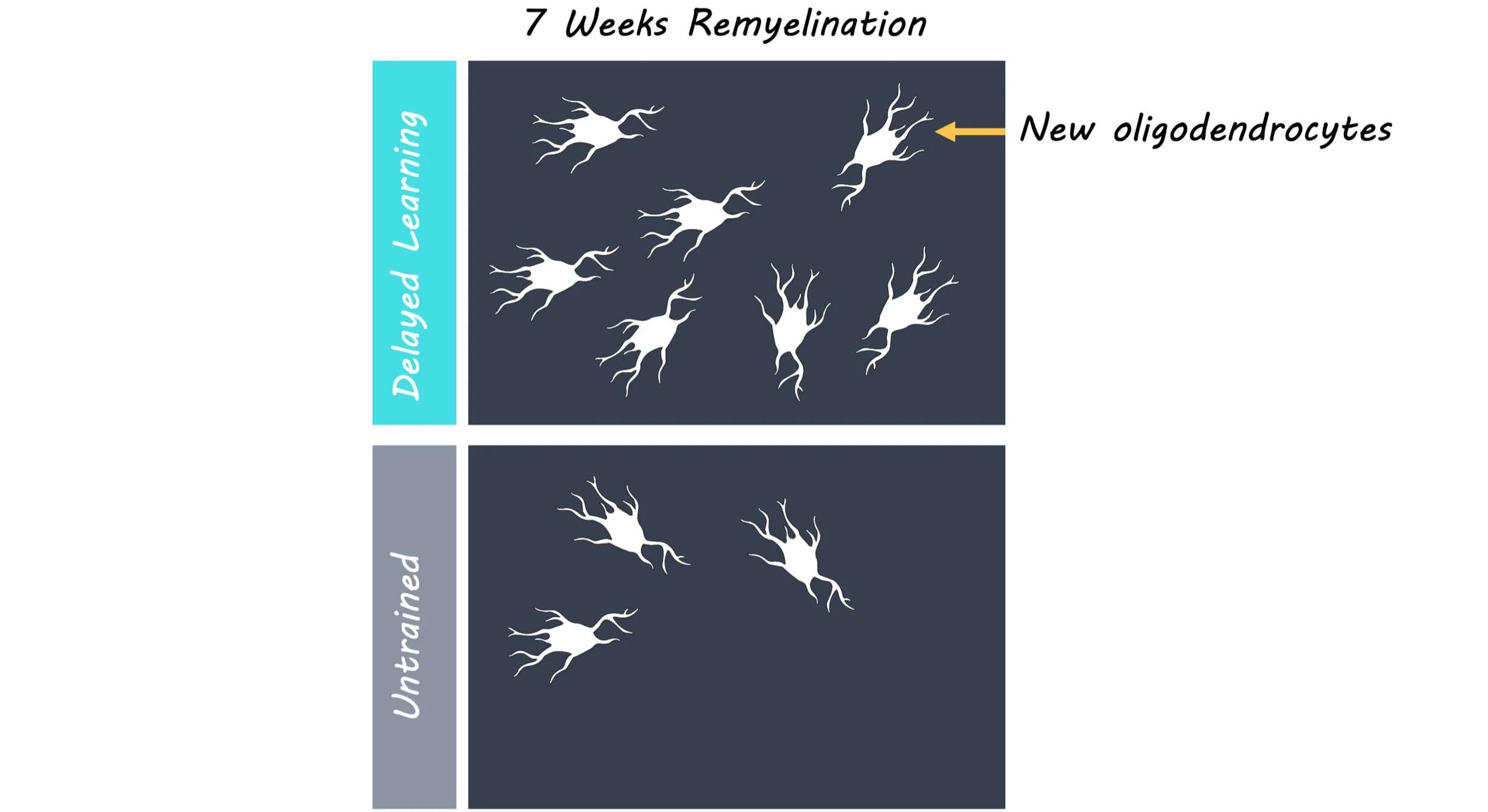
When mice were learning the forelimb reach motor task, the rate of new oligodendrocyte production in the cortex temporarily decreased. After the learning period, however, the rate increased again at two times the rate of mice without training, accompanied by noticeable changes in myelin sheath lengths. Importantly, these changes were not observed when mice were repeating the task, meaning that oligodendrocyte formation and myelin sheath dynamics were altered specifically by motor learning, and not by motor performance. To further evaluate this phenomenon in a disease setting, the authors put mice on a cuprizone diet which killed almost 90% of existing oligodendrocytes in the cortex and suppressed the formation of new oligodendrocytes. When mice stopped receiving cuprizone, they robustly produced new oligodendrocytes which, interestingly, myelinated not only the axons that lost myelin sheaths, but also previously unmyelinated axons, ultimately changing the myelination pattern in the brain. The authors trained these cuprizone-fed mice for the same motor task either 3 days (“early learning”) or 10 days (“delayed learning”) after the last cuprizone treatment. Surprisingly, delayed learning increased the formation of new oligodendrocytes and stimulated mature oligodendrocytes that survived the earlier cuprizone treatment, which together promoted robust remyelination. In contrast, mice with early learning failed to properly learn the motor task and showed temporary impairment in new oligodendrocyte formation, suggesting that motor learning can enhance remyelination in a timing-dependent manner.

oligo_May26.jpg

What's the impact?

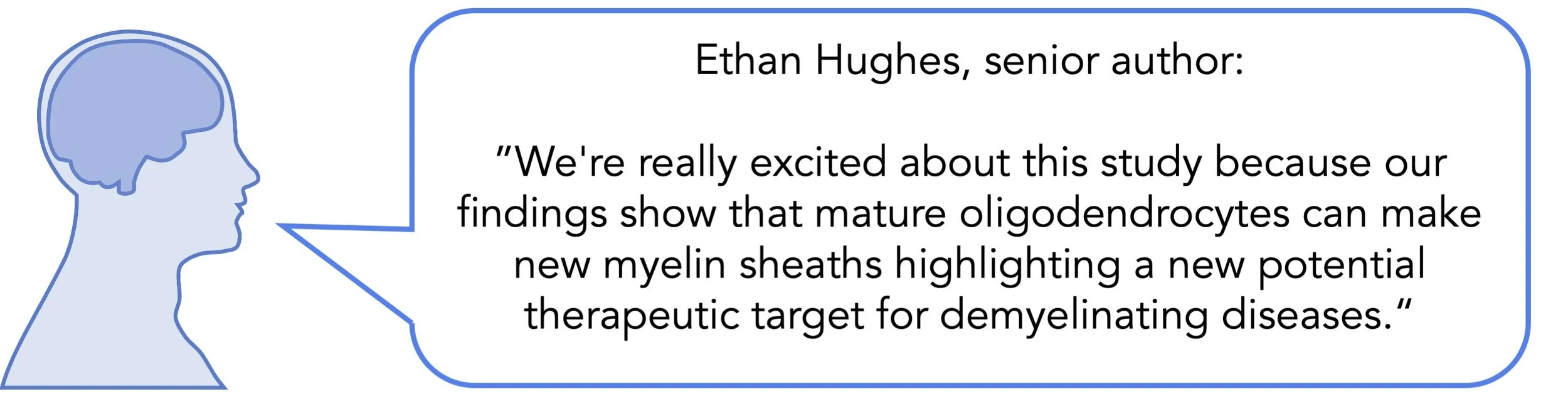
This study used real-time imaging in mouse brains to highlight the importance of motor learning and its appropriate timing in inducing remyelination. This study showed that mature oligodendrocytes have the capacity to remyelinate, expanding our knowledge of oligodendrocyte biology. Importantly, this is the first study to demonstrate that motor learning can transiently suppress the formation of new oligodendrocytes, which provides interesting insights on oligodendrocyte differentiation. Given that behavioral interventions are often used to help demyelinating disease patients with their motor functions, findings from this study will be valuable in optimizing therapeutic strategies against demyelination in debilitating disorders such as MS.

myelin_quote_May26.jpg

Bacmeister et al. Motor learning promotes remyelination via new and surviving oligodendrocytes (2020). Access the original scientific publication here.