
Neural Circuit Underlying Long-Lasting Treatment for PTSD

Post by Deborah Joye

What's the science?

Post-traumatic stress disorder (PTSD) is a condition in which individuals experience persistent anxiety, flashbacks, and intense fear after a traumatic event. PTSD treatments vary and can include everything from exposure therapy and cognitive processing therapy to medications such as antidepressants. One current treatment for PTSD uses a process called Eye Movement Desensitization and Reprocessing (EMDR), which has patients recall a traumatic memory while they track a flashing light switching from left to right (called Alternating Bilateral Sensory Stimulation or ABS). This treatment effectively directs visual stimulation and eye movements, resulting in reduced fear responses. This method has successfully been used to treat PTSD, but how it might result in long-lasting weakening of fear responses remains a mystery. The role of eye movements and orientation in the technique suggests involvement of the superior colliculus, a region of the midbrain involved in eye movements, head orientation, and distractibility. This week in Nature, Baek and colleagues investigate the neural circuitry underlying long-lasting reduction in fear when fear extinction is paired with ABS in mice.

How did they do it?

To test the effects of visual stimulation in fear conditioned mice, the authors trained mice to associate a sound with a mild foot shock. The authors then put those mice in a cylinder with a line of LEDs installed around the wall and played the sound without the additional foot shock (fear extinction). Mice undergoing fear extinction were simultaneously exposed to one of three lighting conditions: 1) LEDs were continuously lit, 2) all LEDs flashed on and off at the same time or 3) LEDs were sequentially lit, then turned off in alternating directions (mimicking ABS). The authors then measured activity using single-unit recordings in the superior colliculus and the mediodorsal thalamus, a brain region which receives information from the superior colliculus and is also tightly linked to the prefrontal cortex and the amygdala (main regions involved in fear extinction). To test how the ABS lighting condition might be associated with reduced fear responses, the authors performed single-unit recordings in the basolateral amygdala, which has at least two distinct cell populations, one that is active during the fear state, and another that is active when fear is being extinguished. Finally, to assess whether the superior colliculus to mediodorsal thalamus (SC-MD) projection and/or the mediodorsal thalamus to basolateral amygdala (MD-BLA) projection play a causal role in the fear-attenuating effect of ABS, the authors used optogenetics. They then either inhibited or excited the two different projections (SC-MD or MD-BLA) to determine the effect on fear responses.

deb_feb26.png

What did they find?

First, the authors found that pairing ABS with fear extinction resulted in an overall reduced fear response compared to all other groups. This finding was specific to the pairing of ABS with fear extinction as mice who experienced ABS when the sound wasn’t played did not show the same reduction in fear. The authors also found that the ABS fear extinction increased the number of activated cells within the superior colliculus. The magnitude of superior colliculus activation for each mouse was negatively correlated with fear response (more activation resulted in lower fear response). When the authors used optogenetics to specifically excite or inhibit the SC-MD pathway, they found that inhibition of the SC-MD pathway resulted in increased fear and stimulation of this pathway resulted in decreased fear. Single-unit recordings in the amygdala revealed that ABS paired with fear extinction increased the number of inhibited neurons in that region. The authors that inhibited cells in the amygdala were neurons that encode the fear state (versus other cells that encode the fear extinction state). They also found that the inhibitory effects of ABS paired extinction in the basolateral amygdala persisted for at least a week after extinction training. Finally, using optogenetics, the authors found that inhibition of the MD-BLA pathway completely blocked the fear-attenuating effect of ABS, suggesting that this pathway is required for fear attenuation.
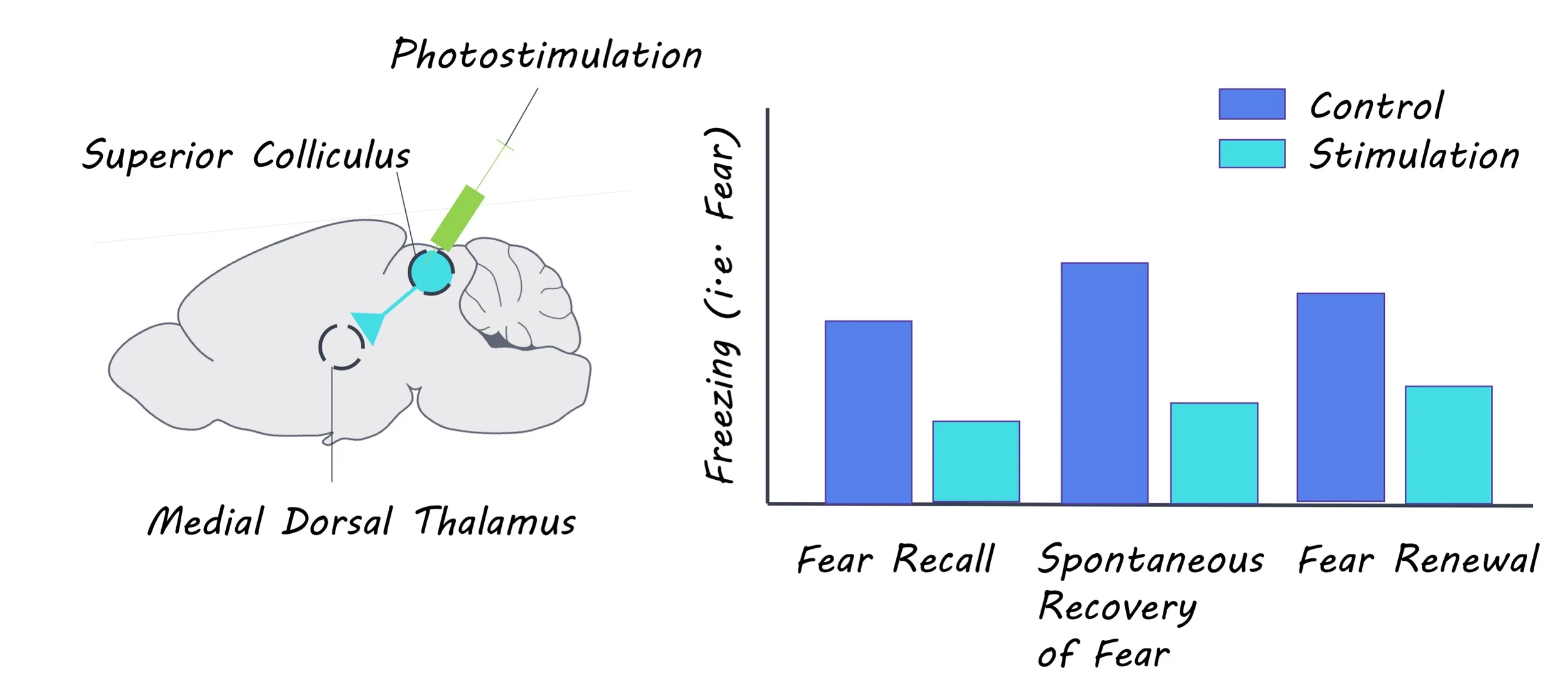
SC_MD_image_Feb26.jpg

What's the impact?

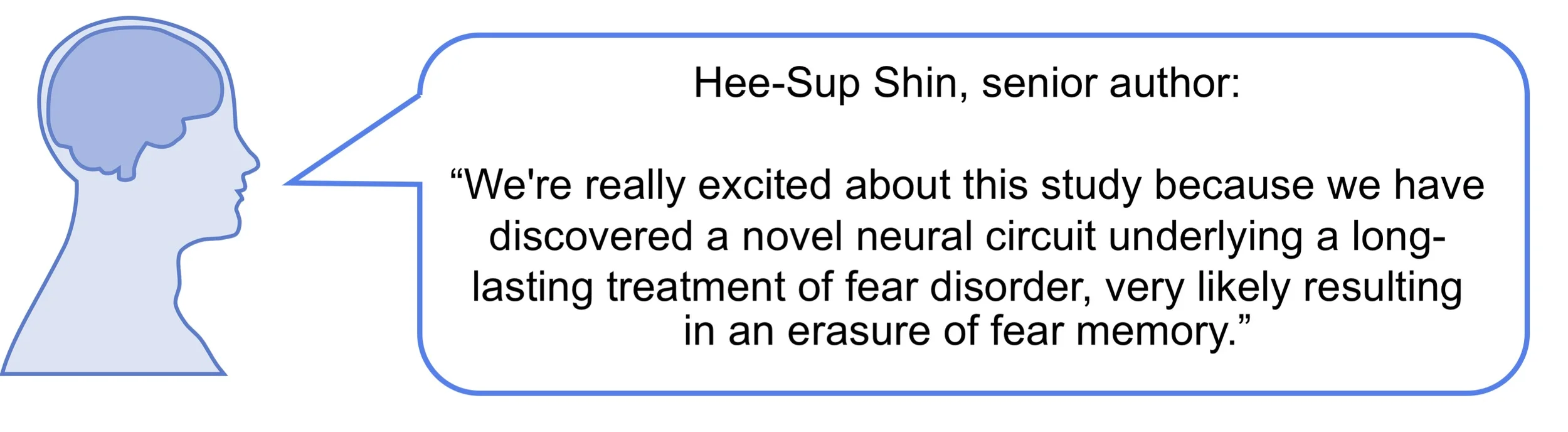
This study is the first to describe the neural circuitry that may underlie the therapeutic effects of eye movement desensitization and reprocessing (EMDR). Understanding the biological basis for how therapeutic treatments work can provide new ways to strengthen treatment plans resulting in better patient outcomes and efficient, targeted therapies. The findings of this study present a neural pathway consisting of the superior colliculus, mediodorsal thalamus, and the basolateral amygdala which could be a central target for the effective treatment of PTSD.
PTSD_quote_Feb26.jpg

Baek et al., Neural circuits underlying a psychotherapeutic regimen for fear disorders, Nature (2019), Access the original scientific publication here.

Can Exercise Mitigate Memory Loss?

Post by Sarah Hill

What's the science?

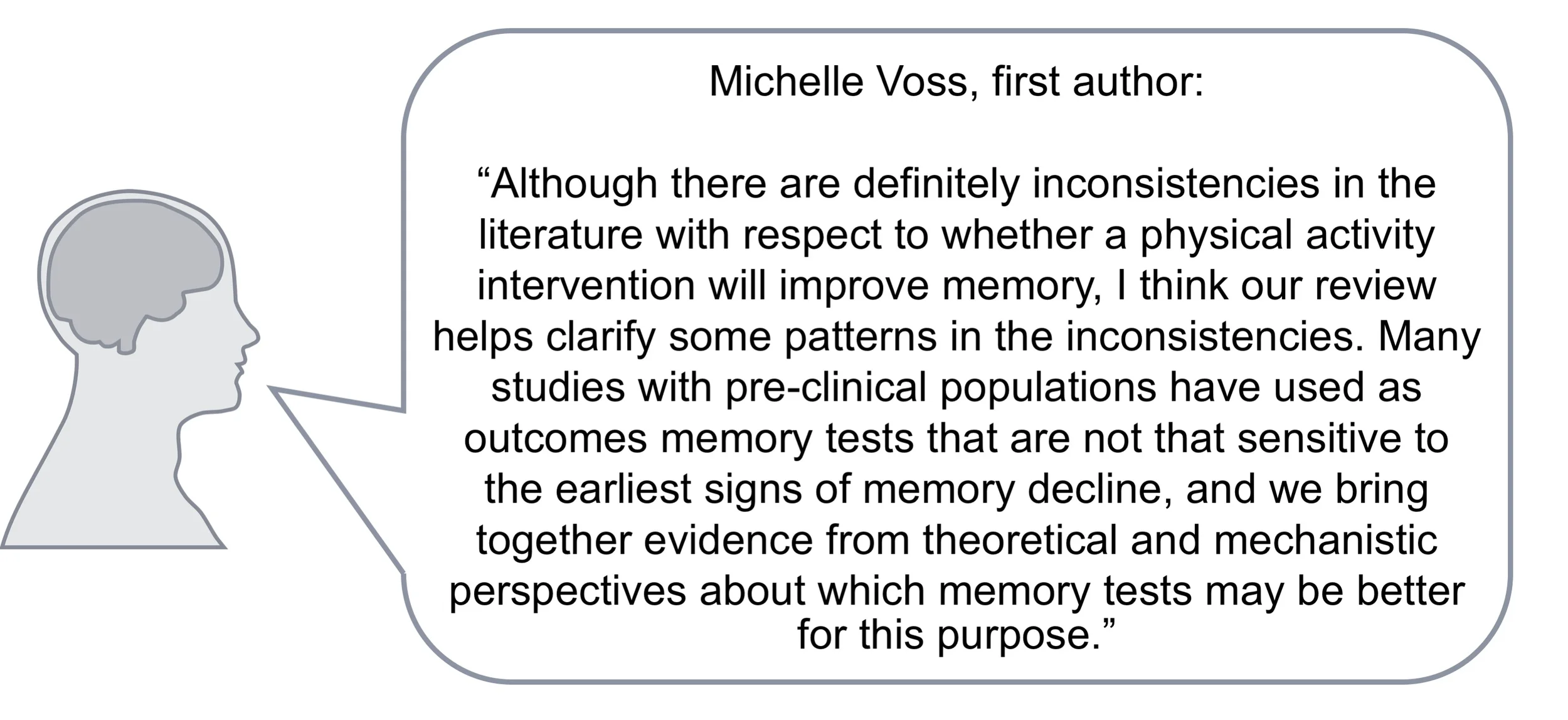
Is the medical field ready to recommend physical activity to prevent memory loss in aging and Alzheimer's disease? A recent report from the National Academies would suggest not, citing inconsistent support from cognitive outcomes in randomized controlled trials and a need for more evidence about how long intervention benefits last. However, pre-clinical studies involving animal and human subjects have consistently demonstrated physical activity-induced memory maintenance and improvements and enhanced hippocampal structure and function. How can we make sense of these discrepancies? This week in Trends in Cognitive Sciences, Voss and colleagues weigh the evidence for and against physical activity in preventing or counteracting cognitive decline, proposing a cross-species approach to evaluate whether exercise can be recommended for memory loss in aging and dementia.  

What do we know?

Thus far, several experimental studies have suggested physical activity can improve memory performance, though this depends on the type of exercise prescribed and the methods used to assess memory function. In both normal and Alzheimer's disease rodent models, voluntary wheel running and forced treadmill training appear to accelerate the generation of adult-born neurons in the hippocampus (the region in the brain associated with memory formation), leading to improvements in spatial memory and pattern separation (i.e. the ability to distinguish between similar objects/contexts). The production of new neurons in the hippocampus is particularly advantageous because adult-born neurons are more susceptible to mechanisms of learning and memory (as they become integrated into existing circuitry) and form new synaptic connections more readily than developmentally-born neurons. Physical activity-induced enhancements in spatial memory, pattern separation and wayfinding have also been observed in young and middle-aged adults, though few studies have looked at these same effects in older human subjects. How physical activity or associated changes in cardiorespiratory fitness translates to functional changes in the brain is currently an active area of research, though multiple human neuroimaging studies have shown changes in hippocampal volume and strengthened connectivity in a particular hippocampal-cortical brain network known as 'the default network' following physical activity. Taken together, these studies suggest a strong link between physical activity and improved hippocampal memory function. However, some memory processes seem to be more sensitive to aging and effects of physical activity than others.  Specifically, the authors identified relational memory, wayfinding, and pattern separation as important outcomes for future study.

What's new?

Though the evidence in favor of physical activity-mediated memory maintenance is relatively consistent, several questions remain. First, what are the molecular and cellular mechanisms through which physical activity exerts its neuroprotective effects? Secondly, can these signaling pathways be harnessed for use in treatment strategies or as biomarkers of cognitive improvement? Brain-derived neurotrophic factor (BDNF), a trophic factor associated with synaptic plasticity, neurogenesis and cell survival, appears to be a key player involved as it acutely increases in the bloodstream of human subjects following a single session of physical activity, and long-term elevated BDNF blood levels associate with increased hippocampal volume and default network functional connectivity. This is further supported by evidence from animal studies, whereby blockade of BDNF signaling eliminates beneficial effects of exercise on learning and memory, as well as neurogenesis. While changes in BDNF are measurable in the human bloodstream, the factor is undetectable in mouse serum or plasma and its expression levels in the rat bloodstream do not appear to change following physical activity. Identification of other central and peripheral signaling partners involved in mediating exercise effects on cognition is currently underway, with factors including VEGF, IGF-1, and AMPK additionally implicated.

Voss_quote_Feb26.jpg

The most important question under current investigation is likely what the most effective exercise regimen for eliciting improvements in cognitive function may be. A majority of studies involving human subjects showed that moderate to high-intensity exercise enhanced performance on measures of cognition known to decline in aging, particularly when cardiorespiratory fitness was improved. While cardiovascular and resistance training both associate with improved spatial learning and synaptic plasticity in a rodent model, they appear to act via different signaling pathways, with aerobic exercise upregulating hippocampal IGF-1, BDNF, TrkB, and CaMKII, and resistance training increasing peripheral and hippocampal IGF-1, as well as activating the hippocampal Akt signal pathway. Further, a recent analysis reported that multimodal training (combining elements of various types of exercise) may be more effective in strengthening episodic memory than either aerobic exercise or resistance training. Though there is clearly still much to be done in terms of identifying the ideal exercise regime, the biggest takeaway from these studies seems to be that consistency is key: for lasting improvements in hippocampal memory function to occur, physical activity that gets the heart rate up needs to be kept up with for weeks to months.   

What's the bottom line?

The authors concluded that regular physical activity shows promise as a viable treatment strategy for cognitive decline. Evidence supporting physical activity-induced cognitive improvement is strongest for aerobic exercise, with a majority of studies demonstrating that exercise at or above 60% maximum heart rate (for 1 hour, 3X per week) is beneficial to areas of the brain supporting memory function. Much is still unknown with regard to physical activity and memory, and future studies are needed to uncover whether other types of exercise (such as weight training) are as beneficial as aerobic exercise, as well as how to tailor an individualized exercise regimen for maximum memory effects.

Voss et al. Exercise and Hippocampal Memory Systems. Trends in Cognitive Sciences (2019). Access the original scientific publication here.
The Aging Female Brain Retains More Metabolic Youth Across the Lifespan

Post by: Amanda McFarlan

What's the science?

In humans, the decline in brain metabolism with age is hypothesized to reflect the gradual ending of developmental processes in the brain as it reaches maturation. As such, any factors that influence the developing brain, such as sexual differentiation, are likely to play an important role in the aging process. This week in the PNAS, Goyal and colleagues used a combination of brain imaging techniques and machine learning to investigate the influence of sex on metabolism in the aging human brain.

How did they do it?

The authors included a total of 205 healthy male and female participants between the ages of 20 and 82 years old in the study and identified individuals in two groups: amyloid-negative individuals and asymptomatic amyloid-positive individuals. Amyloid is often found in individuals with mild cognitive impairment and  Alzheimer’s disease, however, these individuals were cognitively normal. All participants underwent a PET scan and structural MRI scan to measure several metabolic markers including total glucose usage, oxygen consumption, cerebral blood flow and aerobic glycolysis (the difference between total glucose and oxygen consumption). These metabolic measurements were normalized across all PET scan sessions for 79 brain regions. The authors used the normalized brain metabolism data from the amyloid-negative individuals to train a machine learning algorithm (random forest regression with bias correction and 10-fold validation) to predict the actual age of the participants, and then tested the ability of the algorithm to accurately predict a participant’s age based on their metabolic profile. The authors then performed three additional analyses: 1) To assess differences in metabolic profiles between males and females, the authors trained their machine learning algorithm on the normalized brain metabolism data from either males or females only, and then used the algorithm to predict the age of members of the opposite sex based on their metabolic profiles. 2) They performed further analyses to determine the impact of each individual metabolic parameter on the observed sex-based differences. 3) Finally, they applied their initial machine learning algorithm from amyloid-negative individuals to the data from amyloid-positive individuals (ages 60-80) to determine the effect of amyloid deposition on metabolism in the aging brain.

What did they find?

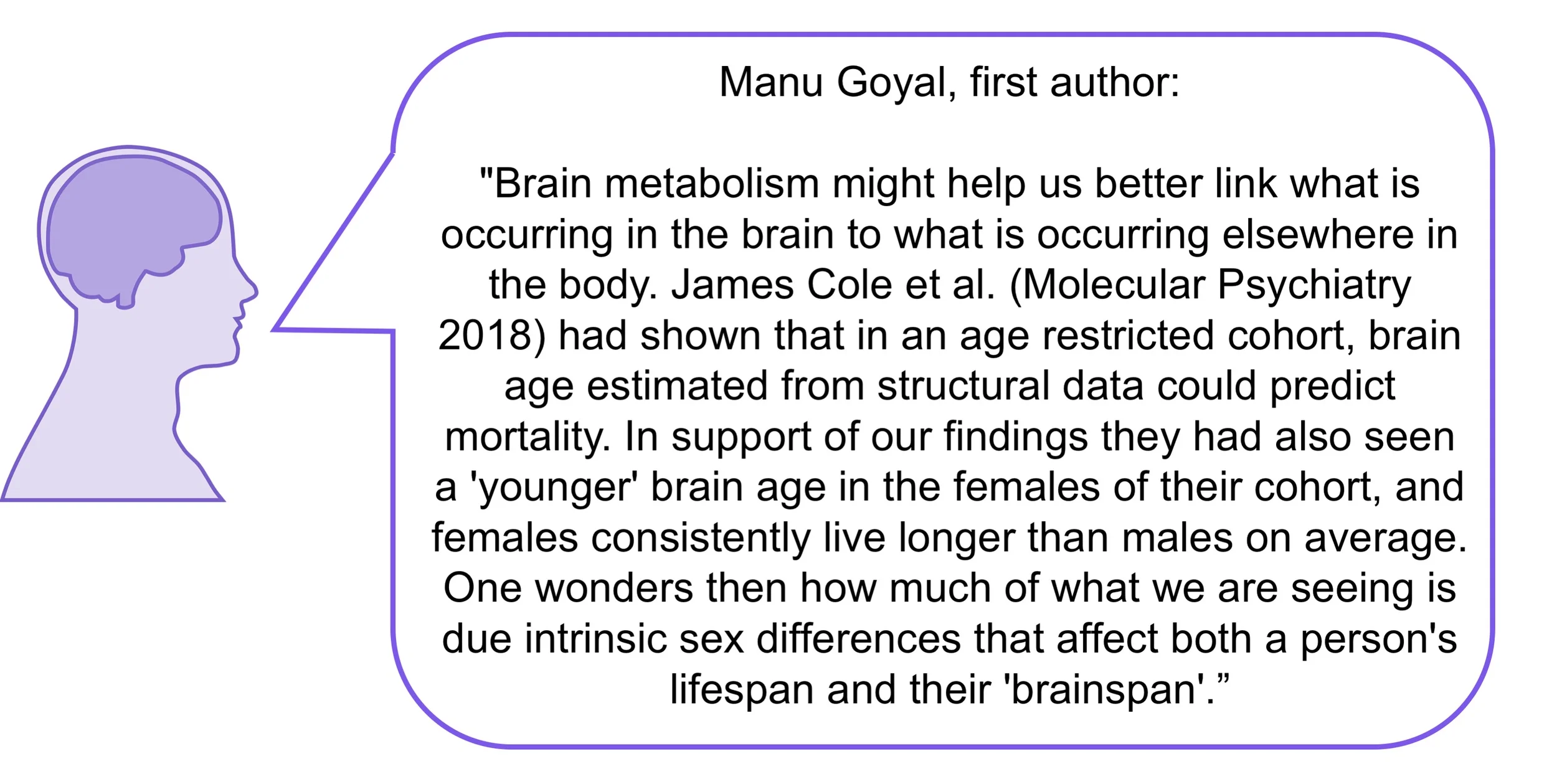
The authors found that the machine learning algorithm was able to closely predict an individual’s age based on their metabolic profile. They revealed that when training the machine learning algorithm on data from male participants only (and then used that algorithm to predict the age of females), the predicted metabolic age for females was on average 3.8 years younger compared to males. In support of these findings, the mean metabolic age for males was 2.4 years older compared to females when the machine learning algorithm was trained on data from female participants only (and then used to predict the age of males). Together, these data suggest that the metabolic profile of a female brain is younger compared to that of an age-matched male brain. Further analyses revealed that the sex-based differences in metabolic brain age were more strongly associated with brain glucose use rather than cerebral blood flow or oxygen consumption. Finally, the authors determined that the average metabolic brain age between age-matched amyloid-negative and amyloid-positive participants was not significantly different, suggesting that amyloid deposition does not account for variability in metabolic brain age across individuals.

amanda_feb19.png

What's the impact?

The authors provide evidence that the female brain is more youthful compared to the male brain across the lifespan in an in vivo study of brain metabolism. They used machine learning algorithms to show that on average the female brain is a few years younger than the male brain, from a metabolic perspective. These findings provide insight into how sex can impact glucose metabolism and the observed pattern of brain aging in different individuals.

fdg_quote_feb19.jpg

Goyal et al. Persistent metabolic youth in the aging female brain. Proceedings of the National Academy of Sciences of the United States of America (2019). Access the original scientific publication here.