
The Connection Between Psychological Stress and Gut Inflammation
Post by Megan McCullough
The takeaway
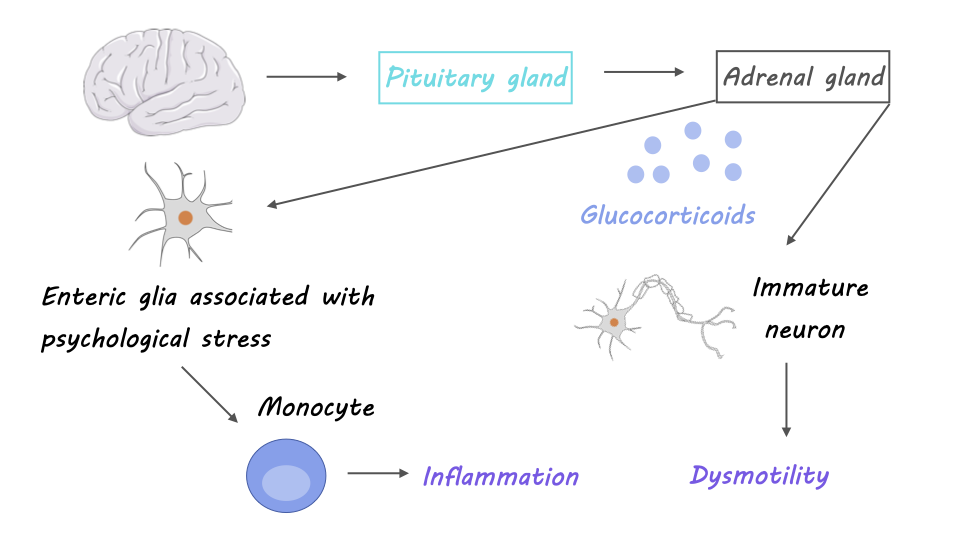
Psychological stress can exacerbate gut inflammation through chronically elevated glucocorticoid levels that induce inflammatory glia and immaturity in gut neurons. This leads to impairments in the digestive system and increased inflammation mediated by monocytes, a type of immune cell.
What's the science?
Previous research has shown that symptoms of inflammation in diseases such as inflammatory bowel disease (IBD) are worsened by stressful life events. Although studies have shown a link between psychological stress and IBD severity, the explanation for how this effect is mediated is unclear. Due to the enteric nervous system, the gut can function independently of the brain; thus, new studies are examining the relationship between stress signals from the brain and inflammatory responses in the gut. This week in Cell, Schneider and colleagues investigated the role of the enteric nervous system in mediating the effect of chronic stress on inflammation in the intestine, using both mouse models and health information from individuals diagnosed with IBD.
How did they do it?
To study the connection between psychological stress and intestinal inflammation, the authors utilized a mouse model that underwent prolonged psychological stress. The authors then measured the weight of the mice over time, observed their behavior, and conducted RNA sequencing to study any changes in gene expression in the colon. To identify the specific cells responsible for any inflammation due to stress, single cell RNA sequencing was run on immune cells in the gut on both the stressed mice and the control mice.
Once a positive relationship was established between psychological stress and gut inflammation, the authors studied how stress signals were relayed from the brain to the intestines. Stress hormone levels were measured in the blood of mice in the stressed group and compared to hormone levels of mice in the control group. The authors then studied the relationship between stress and gut inflammation in humans using UK Biobank data. Data was analyzed from disease-free control patients, patients with an inflammatory disease located outside the gut, and from individuals with an inflammatory intestinal disease.
What did they find?
The authors found that mice subject to prolonged psychological stress had increased intestinal inflammation as observed by weight loss and colonoscopy results. The RNA sequencing of gut tissue in the stressed mice group showed changes in gene expression. Genes promoting immunity were downregulated and IBD associated genes were upregulated. Results from numerous mouse models suggested that although psychological stress wasn't enough to induce inflammation on its own, it preconditions the gut to be in a pro-inflammatory state and when coupled with another trigger, exacerbates disease symptoms. When the authors ran single-cell RNA sequencing, they found that T cells, monocytes, and lymphoid cells were differentially expressed genes in the guts of the stressed mice, suggesting these cells are potential drivers for stress-induced gut inflammation. Further analysis provided evidence that the accumulation of inflammatory monocytes led to increases in inflammation.
The authors then studied what was mediating this buildup of monocytes. Through blocking adrenal corticosteroid release pharmacologically, the authors found that glucocorticoids mediated the negative effects of stress on the gut. Over time, stress leads to a chronic buildup of glucocorticoids which triggers inflammatory enteric glia cells which then promote the accumulation of monocytes that increases gut inflammation. When the authors looked at health data in humans, they found that patients with chronic stressors had a higher risk of developing IBD than participants with less life stressors. In patients with IBD, a stressed lifestyle led to lower health outcomes and increased symptoms.
What's the impact?
This study provides further evidence that stress leads to increases in gut inflammation and provides an explanation for the mechanism behind this connection. Psychological stress leads to elevated glucocorticoids and chronic signaling of this steroid hormone induces inflammatory glia in the enteric nervous system. Inflammatory glia then promote the recruitment of monocytes, eventually leading to inflammation and dysfunction in the gut. The results of this study suggest that mental health treatment and stress reduction could be a powerful avenue for the treatment of inflammatory gut diseases such as IBD.