Neural Economics: Understanding the Brain’s Energy Budget

Post by Rachel Sharp

How much of your body’s energy does your brain use?

The average adult brain makes up ~2% of our total body weight. And yet, brain processes to maintain proper functioning account for as much as 25% of the body’s energy use. On top of that, when under mental stress, the brain’s energy supply can increase by as much as 12%. The disproportional use of bodily energy sources by the brain is unique to humans and primates - the central nervous system (the brain and spinal cord) in other vertebrate species uses only about 2-8% of the body’s energy.

Previously, it was thought that this difference in energy use was because as primate brains developed more advanced cognitive and social abilities, the amount of energy required by the brain also increased. More recently, we’ve learned that the amount of energy a human neuron uses is similar to the amount of energy used by a mouse neuron. This finding suggests that the actual reason human brains use such a large amount of energy is because the density of neurons in our brains is much higher than in other species. So, the question then becomes: 

What are our neurons doing with all that energy?

Scientists have identified four main activities that neurons use energy for: synaptic transmission, generating action potentials, maintaining resting potentials, and housekeeping.

Synaptic transmission is the process through which neurons communicate with each other via the release of signaling molecules called neurotransmitters. Neurotransmitters, such as dopamine, serotonin, or endorphins, are released from the axon terminal of a neuron, and then bind to receptors of a nearby neuron, causing a variety of responses in both cells. Synaptic transmission is constantly occurring in millions of neurons throughout the brain, and this process takes a lot of energy. When neurotransmitters are released from axon terminals, they have to be packaged into small bubbles called vesicles and pumped from the interior of the neuron to the extracellular space. The receiving neuron must engage various processes as well, like adjusting the amount of time neurotransmitter-receiving channels are open and the number of active receptors available to bind to the neurotransmitters, which also uses energy. Together, the processes required for synaptic transmission, which occurs throughout the brain both at rest and in heightened states, account for about 45% of the brain’s total energy use.

Action potential generation can occur as a result of synaptic transmission. Let’s consider three neurons: A, B, and C. Neuron A communicates with neuron B through synaptic transmission. If the signal received by Neuron B is strong enough, it will generate an action potential to communicate that message to Neuron C. An action potential is a rapid electrical signal transmitted along the whole length of a neuron. There are two main sources of energy used in the process of generating action potentials: initiating an action potential and then maintaining the electric current that allows the action potential to travel all the way down a neuron’s axon. These processes are estimated to account for 25-30% of the brain’s total energy use.

Maintaining resting potentials is an ongoing process that neurons are always engaged in (outside of an active action potential). Resting potential refers to the balance of electric charge between the interior and exterior of a cell. For neurons, this is actually an imbalance, as the inside of a neuron typically has a charge that’s 60-90 millivolts lower than the outside of the neuron. This electrical imbalance allows the neuron to maintain a “baseline” state distinct from its “activated” state of action potential generation. An action potential occurs because of positively charged particles entering the neuron and increasing the internal electrical charge. The processes involved in maintaining resting potential, mainly pumping positively charged particles out of the cell and negatively charged particles into the cell, ensure that the neuron doesn’t simply increase in internal charge over time. The maintenance of resting potentials across neurons is estimated to account for 20-25% of total brain energy use. 

Housekeeping refers to necessary processes between neurons that don’t involve signaling or communication. Currently, the way these processes use energy is not well understood, but estimates for the use of energy by cellular structure modeling proteins, protein creation, and vesicle transport have been investigated. These largely unmeasured processes are thought to account for roughly 20% of the brain’s total energy use. 

How does the brain maintain its energy sources?

Sleep is the most important component of energy maintenance by the brain, particularly non-REM sleep, when brain activity, breathing, and heart rate all slow down and muscles relax. While awake, the processes above increase the brain’s consumption of energy from its energy stores, depleting them over time. During non-REM sleep, these processes slow down, energy use lessens, and energy conservation processes increase, so that the brain can replete and maintain energy storage. This is vital because the brain does not store much of its own energy. In fact, most of the energy the brain uses is supplied through the blood from the rest of the body. 

Overall, while research about neuronal energy use is still underway, we know that it’s a complicated and vital process: non-optimal energy use and storage in the brain has been linked to several disorders such as Alzheimer’s and Parkinson’s disease. Understanding the brain’s energy consumption not only highlights its complex functionality, but also shows the importance of maintaining our cognitive health through proper rest, ensuring that our most energy-demanding organ can continue to perform at its best.

References +

A. Peters, U. Schweiger, L. Pellerin, C. Hubold, K.M. Oltmanns, M. Conrad, B. Schultes, J. Born, H.L. Fehm, The selfish brain: competition for energy resources, Neuroscience & Biobehavioral Reviews, Volume 28, Issue 2, 2004, Pages 143-180, ISSN 0149-7634, https://doi.org/10.1016/j.neubiorev.2004.03.002.

Bordone, M. P., Salman, M. M., Titus, H. E., Amini, E., Andersen, J. V., Chakraborti, B., Diuba, A. V., Dubouskaya, T. G., Ehrke, E., Gonçalves, R. A., Gupta, D., Gupta, R., Ha, S. R., Hemming, I. A., Jaggar, M., Jakobsen, E., Kumari, P., Lakkappa, N., L. Marsh, A. P., . . . Seidenbecher, C. I. (2019). The energetic brain – A review from students to students. Journal of Neurochemistry, 151(2), 139-165. https://doi.org/10.1111/jnc.14829.

Hitze, B., Hubold, C., Van Dyken, R., Schlichting, K., Lehnert, H., Entringer, S., & Peters, A. (2010). How the selfish brain organizes its supply and demand. Frontiers in Neuroenergetics, 2, 1706. https://doi.org/10.3389/fnene.2010.00007.

J. Magistretti, P., Allaman, I. (2022). Brain Energy and Metabolism. In: Pfaff, D.W., Volkow, N.D., Rubenstein, J.L. (eds) Neuroscience in the 21st Century. Springer, Cham. https://doi.org/10.1007/978-3-030-88832-9_56.

Raichle, M. E. (2011). The Restless Brain. Brain Connectivity, 1(1), 3-12. https://doi.org/10.1089/brain.2011.0019.

Raichle, M. E., & Gusnard, D. A. (2002). Appraising the brain's energy budget. Proceedings of the National Academy of Sciences, 99(16), 10237-10239. https://doi.org/10.1073/pnas.172399499.

Tomasi, D., Wang, G., & Volkow, N. D. (2013). Energetic cost of brain functional connectivity. Proceedings of the National Academy of Sciences, 110(33), 13642-13647. https://doi.org/10.1073/pnas.1303346110.
Eating Highly Processed Foods is Associated with Stroke and Cognitive Impairment

Post by Shahin Khodaei

The takeaway

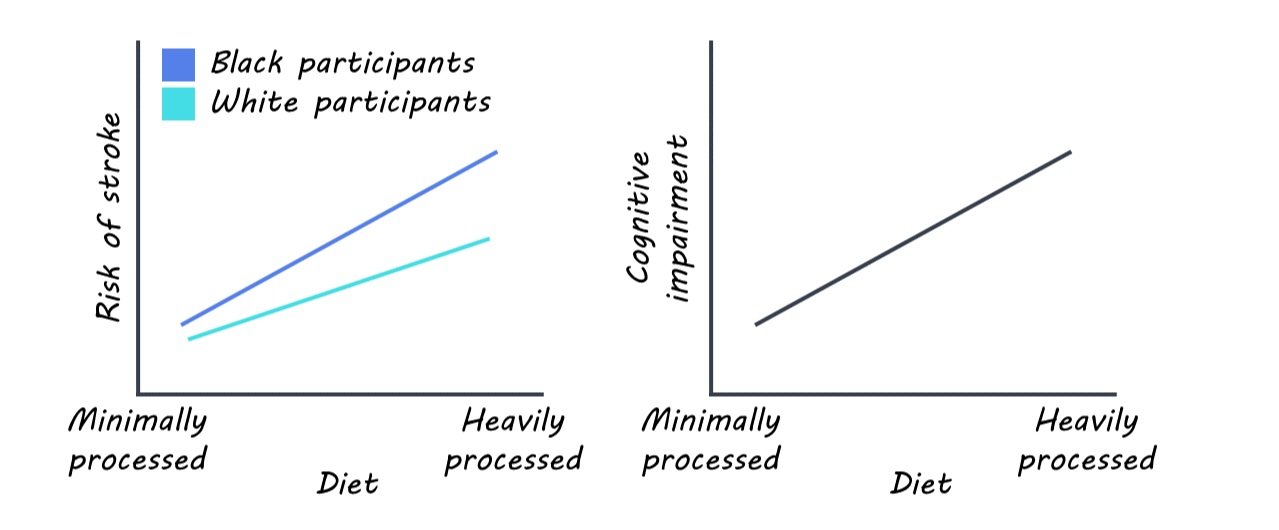
Eating more heavily processed foods is associated with an increased risk of cognitive decline and stroke. On the flip side, eating more unprocessed or minimally processed foods is associated with a decreased risk of cognitive decline and stroke. 

What's the science?

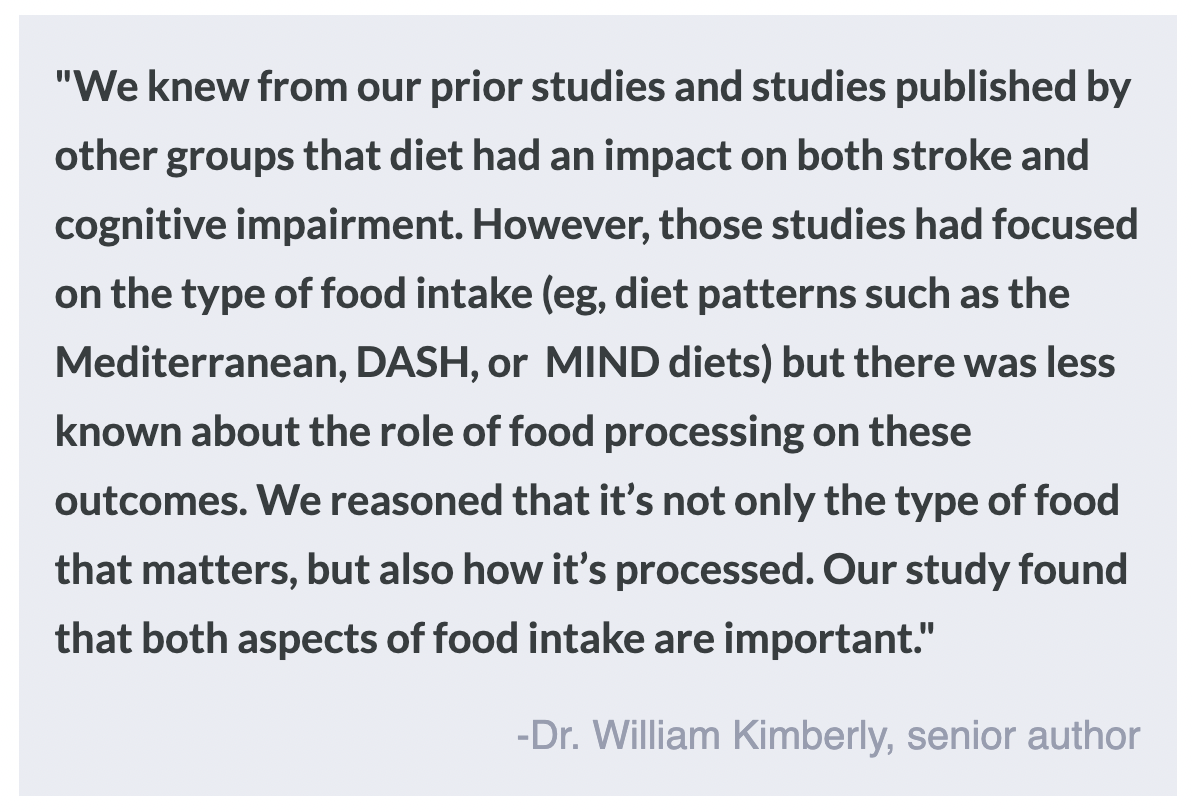
Diet is known to affect the brain - for example, following a more Mediterranean diet is associated with a reduced risk of stroke and lower cognitive decline. Recent research also indicates that eating more ultra-processed foods (e.g. carbonated drinks, flavoured yogurt, instant foods, packaged bread, chicken nuggets, etc.) is associated with a higher risk of stroke and faster cognitive decline. This week in Neurology, Bhave and colleagues published a study that adds to the growing literature on diet and brain health outcomes, investigating the role of food processing compared to following specific diets such as the Mediterranean diet. 

How did they do it?

The authors followed a cohort of over 30,000 non-Hispanic Black and White adults aged 45 and above in the United States, who entered the study between 2003 and 2007. After enrolling in the study, participants were assessed for clinical information, including a history of stroke or cognitive impairments, and demographic and lifestyle information. During the baseline assessment, participants answered a questionnaire about their food intake, which was then analyzed in two ways: 1) The food and drink items were categorized into four groups based on the level of processing, and daily intake for each category (in grams) was divided by total intake to get a proportion. 2) the questionnaires were scored based on how much they adhered to three healthy dietary patterns – Mediterranean, Dietary Approaches to Stop Hypertension (DASH), and Mediterranean-DASH Intervention for Neurodegenerative Delay (MIND).

After this baseline assessment, participants were followed up routinely to assess whether they had experienced a stroke, and to assess their cognitive performance in standardized tests. The authors then built statistical models to investigate the associations between food and drink intake and the incidence of stroke and cognitive impairment. 

What did they find?

The study found that eating more ultra-processed foods was associated with an increased risk of stroke, particularly in Black participants. On the other hand, eating more unprocessed/minimally processed foods or more strongly following a healthy diet was associated with a decreased risk of stroke. The results were similar when the authors looked at cognitive impairment – more ultra-processed foods were associated with greater cognitive decline, while less processed foods and healthier diets were associated with less decline.

The authors also asked a follow-up question: does the level of food processing matter if participants are following a healthier dietary pattern such as DASH or MIND? The answer was yes: even when participants adhered to a healthy diet, eating more ultra-processed foods was associated with some negative brain health outcomes, and eating more unprocessed foods was associated with better outcomes. This finding suggests the level of processing in the diet alone, is important for brain health, independently of other dietary patterns.

What's the impact?

This study highlights the important role that food processing plays in brain health. As always, it is important to note that these findings do not necessarily mean that eating more processed foods directly causes stroke and cognitive impairment (i.e. correlation is not causation). However, this study contributes to a growing literature that suggests a healthy diet including unprocessed food is important in maintaining brain health. 

Neuron to Neuron Information Transfer is Critical for Emotion Recognition and Social Cognition

Post by Soumilee Chaudhuri

The takeaway

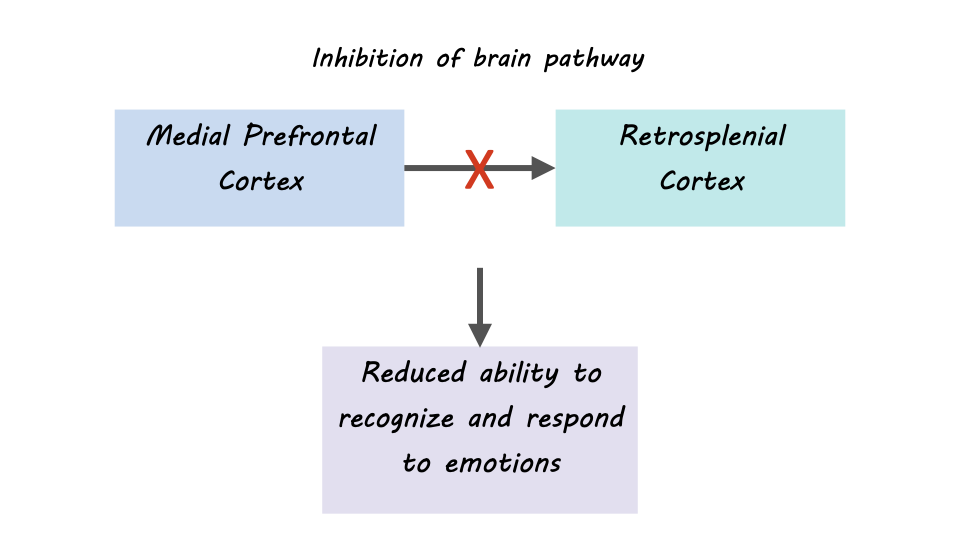
Information transfer from the medial prefrontal cortex (mPFC) to the retrosplenial cortex (RSC) of the brain is crucial for emotion recognition - the ability to recognize and respond to the emotional states of others. This study found that inhibiting the mPFC-to-RSC brain pathway in mice affects their ability to recognize emotional states like stress and relief in their peers, shedding light on the neural mechanisms behind social cognition.

What's the science?

Emotion recognition is essential for appropriate social interactions, enabling individuals to respond to the emotional states of others. Recent research has revealed that recognizing emotions in others involves complex communication between different parts of the brain, but understanding the exact brain pathways involved has been challenging. This study in Nature Neuroscience by Dautan et. al., delves into the mPFC-to-RSC pathway, focusing specifically on the role of somatostatin (SOM) neurons that project from the mPFC to the RSC. SOM neurons are known for their inhibitory role in the brain - they produce Gamma-aminobutyric acid (GABA), an inhibitory neurotransmitter. It is also known that these SOM neurons help filter and process socially derived information, enabling accurate emotion recognition. In this study, researchers used optogenetics to manipulate the mPFC-to-RSC SOM neurons and observe their impact on the behavior of the mice.

How did they do it?

In this study, researchers utilized a combination of behavioral tests, optogenetics, and calcium imaging to investigate how information transfer between the mPFC and RSC affects emotion recognition in mice. The focus was on the interaction between specific neuron types, including pyramidal neurons in the RSC and SOM neurons in the mPFC. They specifically targeted genetically modified SOM neurons that expressed light-sensitive proteins. Light was used to either activate or inhibit these neurons and behavioral tests in mice assessed their emotions during these periods of activation or inhibition. Behavioral tests in mice included a series of assessments wherein mice had to recognize emotional states (stress or relief) in other mice. By stimulating or inhibiting the SOM neurons in the mPFC, researchers could observe changes in the mice's ability to recognize these emotional cues and record their responses.

What did they find?

The researchers found that inhibiting the mPFC-to-RSC pathway impaired the mice's ability to recognize emotions in their peers while stimulating it enhanced their emotional recognition capabilities. The results indicated that SOM neurons in the mPFC regulate the activity of RSC pyramidal neurons, influencing how mice process and respond to social and emotional stimuli. When the mPFC-to-RSC SOM neurons were inhibited, the activity of RSC pyramidal neurons increased, indicating that the SOM neurons help regulate the signal-to-noise ratio within the RSC. This regulation of mPFC SOM neurons to RSC pyramidal neurons was vital for processing and interpreting social and emotional stimuli accurately and it was shown that about 10% of mPFC SOM neurons project to RSC and thus modulate the activity of RSC pyramidal neurons. Interestingly, these results in mice were similar to what other scientists have observed in recent functional magnetic resonance imaging(fMRI) studies in humans.

What's the impact?

Understanding the mPFC-to-RSC pathway's role in emotion recognition has significant implications for studying social cognitive disorders like autism and schizophrenia, where emotion recognition is often impaired. This research offers avenues for therapeutic strategies targeting specific brain pathways to improve social functioning. Additionally, it provides a deeper understanding of the neural mechanisms underlying social behavior and emotional processing, which could inform future studies in both animals and humans. 

Access the original scientific publication here.