What Underlies Vulnerability to Drug Addiction?

Post by Flora Moujaes

What's the science? 

Why does regular drug use lead to addiction in some people but not others? Many factors can increase the risk of developing an addiction. For example, a family history of drug addiction has been shown to make people eight times as likely to develop a drug addiction. We know that drug addiction compromises the neural systems involved in goal-directed behaviour, shifting behavioural control of drug-related decisions towards the habit system. Drug addiction may also weaken cognitive control, which enables the flexible regulation of goal-directed and habitual actions, and intervenes when behaviour becomes maladaptive. Much less is known about resilience to developing a drug addiction. One hypothesis is that high-functioning drug users may be able to function at a normal level by recruiting compensatory brain systems, which may buffer the impact of their drug use. This week in PNAS, Ersche et al. use resting-state functional magnetic resonance imaging (rs-fMRI) to explore how addiction risk and resilience may be associated with changes in the functioning of key neural systems. 

How did they do it?

In order to examine the risk and resilience factors associated with drug addiction to either amphetamines or cocaine, the researchers collected data from 162 individuals who either 1) have a diagnosed drug addiction and a family history of drug addiction, 2) high-functioning drug use without diagnosis and no family history of drug addiction, 3) no drug use and family history of drug addiction, or 4) no drug use and no family history of drug addiction. They collected rsfMRI data which measures fluctuations in the brain’s blood-oxygen-level-dependent (BOLD) signal while an individual is at rest, and looked at six key striatal brain regions.

What did they find?

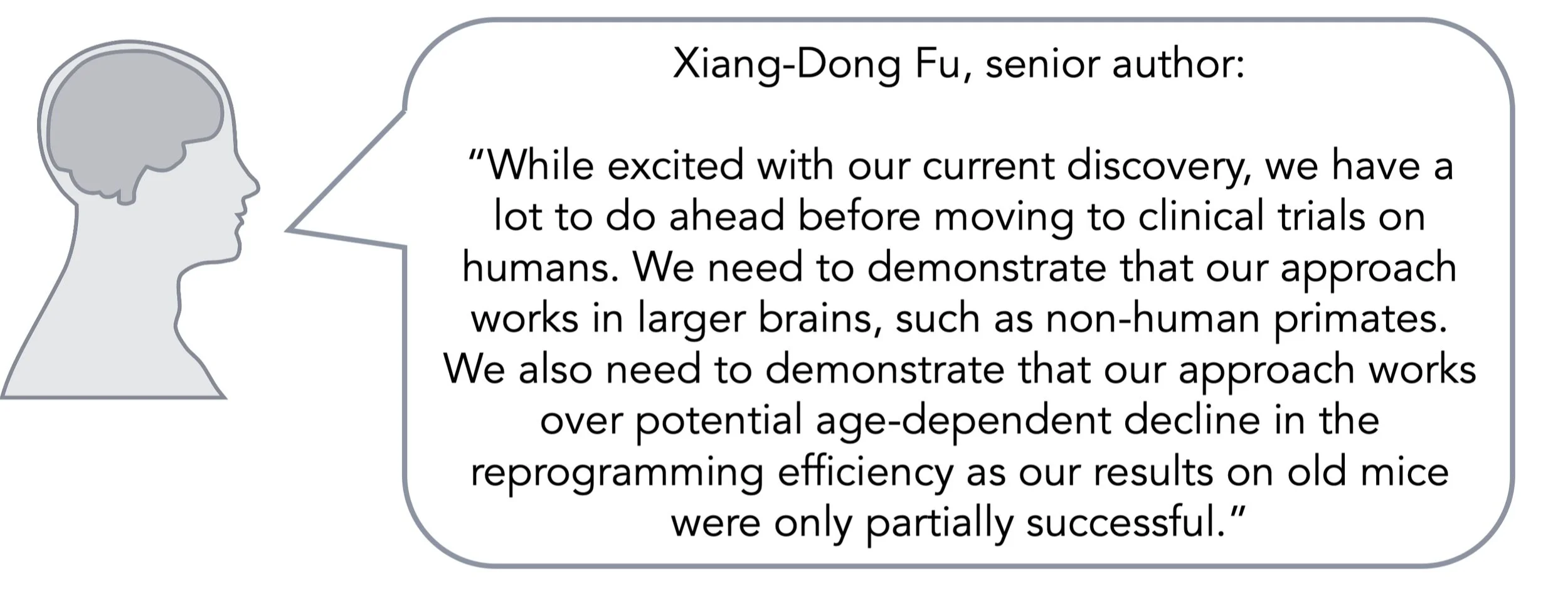
Familial risk and addiction: First, in order to examine how familial risk is associated with drug addiction, the authors compared individuals with a family history of drug addiction to individuals with no family history of drug addiction. They found that in individuals with high familial risk, whether drug users or siblings of drug users, there was reduced connectivity in two fronto-striatal pathways that are critical for goal-directed decision making: the orbitofrontal and ventromedial prefrontal cortical-striatal circuits. This indicates that individuals with a family history of drug addiction may be at greater risk of developing a drug addiction due to impaired goal-directed decision-making. 

Stimulant use and addiction: Secondly, in order to examine how stimulant use is associated with drug addiction, they compared individuals who regularly took stimulant drugs (both those who were officially diagnosed with drug addiction and high-functioning non-diagnosed drug users) to individuals who had not taken stimulant drugs (both the siblings of addicted individuals and healthy controls). They found that stimulant use was associated with reduced connectivity between areas associated with emotional awareness and habituation to pleasant or painful stimuli.
PNAS.png

Resilience against addiction: Finally, they examined the interaction between familial risk and stimulant use. They found that the two groups who showed resilience to drug addiction (high-functioning non-diagnosed users and non-addicted siblings of drug users) showed increased connectivity in two regulatory control networks: 1) a network implicated in top-down inhibitory control, and 2) a network implicated in the regulation of habits. This indicates that defying the risk of developing a stimulant drug addiction may require increased efforts to control behaviour.

What's the impact?

Overall this study suggests that familial vulnerability for drug addiction and the administration of stimulant drugs are associated with reduced functional connectivity in networks implicated in goal-directed learning, including the pathway associated with negative feedback processing. This may increase the risk of maladaptive behaviours, such as drug use, becoming compulsive. On the other hand, resilient individuals appear to counteract the drive to addiction through increased connectivity in networks associated with goal-directed behaviour and the habitual control of behaviour. This study provides valuable insights into possible interactions between familial risk and stimulant drug use for the regulation of behavioural control. Such insights may inform novel strategies for therapeutic and preventative interventions for drug addiction.

Ersche et al. Brain networks underlying vulnerability and resilience to drug addiction. PNAS (2020). Access the original scientific publication here.
Immune Proteins Play a Role in Neural Growth

Post by Anastasia Sares

What's the science?

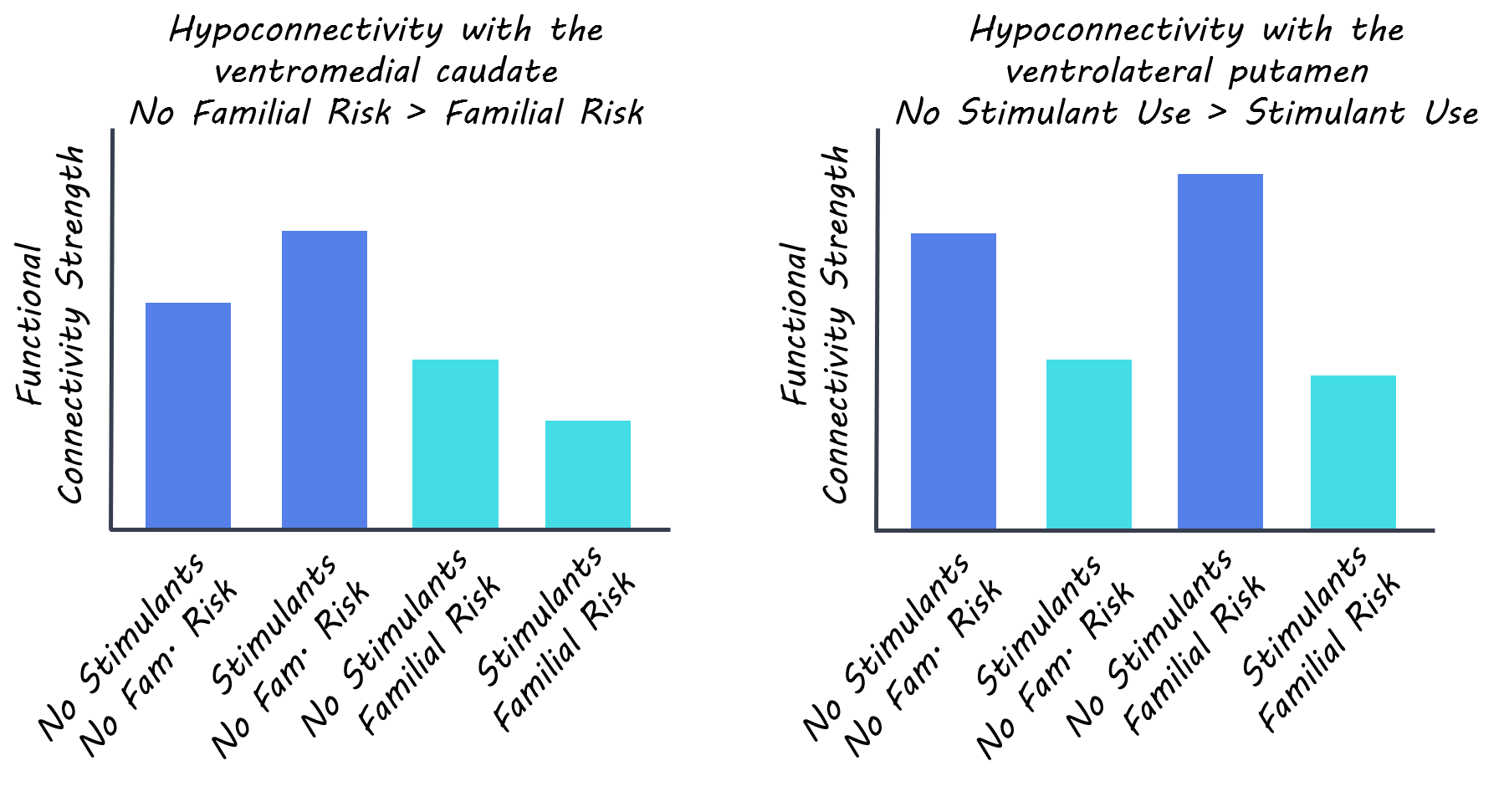
The protein IL-33 is part of a large family of proteins related to immune function. Outside of the brain, it is mostly known for its role in inflammation, such as in asthma or auto-immune conditions. However, IL-33 also supports tissue repair and is necessary for proper neural development. In studies of brain injury and Alzheimer’s disease, IL-33 has been shown to increase plasticity and reverse memory deficits. But how can an immune system protein support memory? This week in Cell, Nguyen and colleagues examined IL-33’s role in memory formation in the hippocampus and showed that it involves the brain’s immune cells to clear a path for branching neurons. 

How did they do it?

The research team employed a number of techniques for identifying cells producing IL-33 or its receptor, IL1RL1, in genetically modified mice. Some of the mice had a code for a fluorescent protein inserted right next to the IL-33 gene so that cells producing IL-33 could be seen with a fluorescent microscope. Others had genetic manipulations to knock out the IL-33 gene so that it no longer worked. The authors were also able to express extra IL-33 in mice using a lentivirus.

Their analyses of brain tissue included flow cytometry, which involves streaming a solution full of cell nuclei in a small tube one cell wide. As the nuclei passed one by one in front of a laser, they could measure many different properties of the scattered laser light to detect different proteins (including the fluorescence from the IL33 gene). The authors also raised mice in different conditions. Some of them experienced temporarily enriched environments, known for increasing neuronal growth and plasticity, while others experienced brief social isolation, which does the opposite. Still, others underwent fear conditioning to see how well they learned the association between a stimulus and a mild shock. 

What did they find?

In the hippocampus, IL-33 was expressed primarily in neurons (and especially neurons in the dentate gyrus). This is different from elsewhere in the brain, where it is mostly found in astrocytes. The receptor, IL1RL1, was located in microglia, which are cells acting as the primary form of immune defense in the central nervous system.

IL-33 levels increased in the mice who had enriched environments and decreased in those undergoing social isolation. IL-33 also decreased with age and memory loss. Deleting IL-33 or its receptors on the microglia caused mice to have fewer dendritic spines on existing neurons, fewer new neurons, and less precise memory for fearful stimuli. Extensive testing indicated that IL-33 might induce the microglia to clear out the extracellular matrix (the web of structural proteins around the cells). This clearance would then pave the way for the growth and branching of new neurons

Anastasia.jpg

What's the impact?

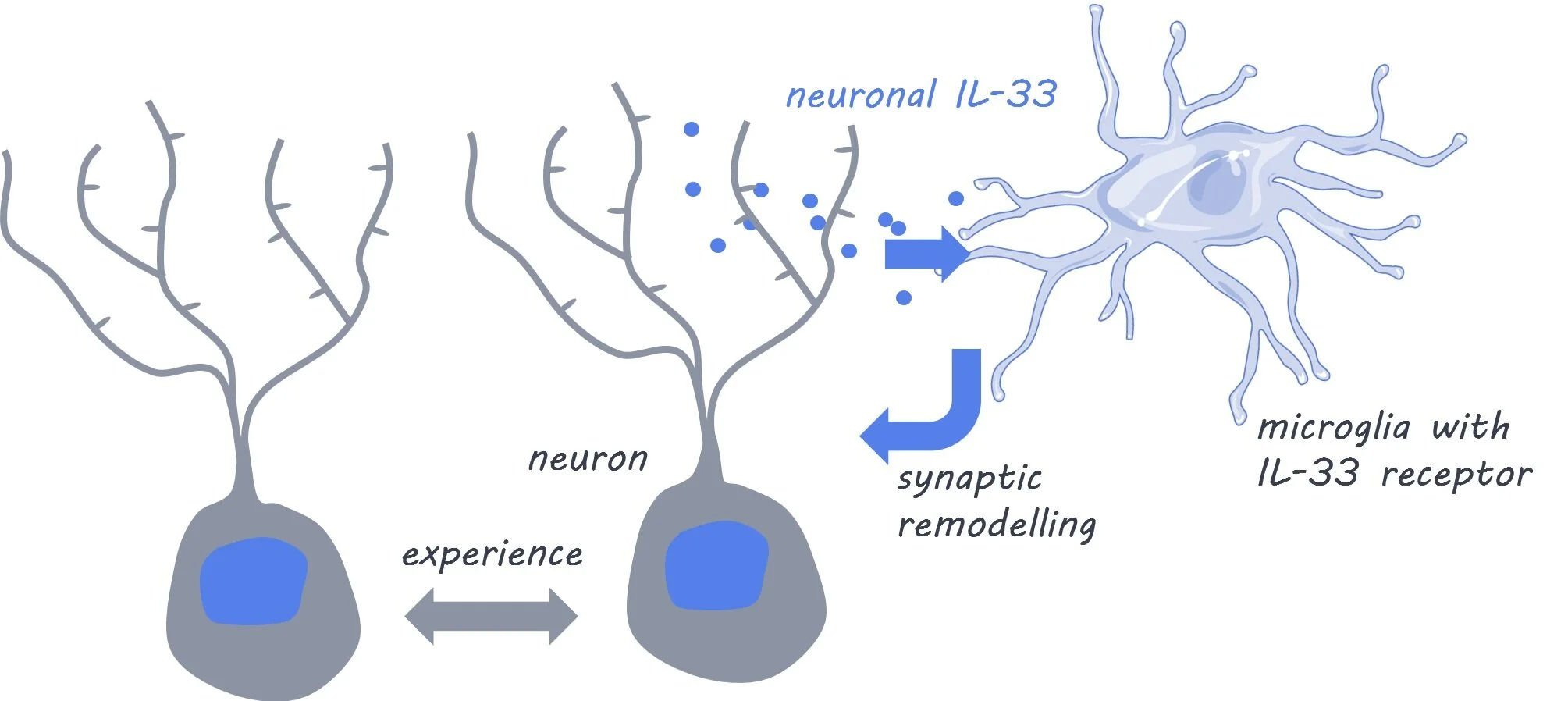
IL-33 may have neuroprotective benefits in diseases like stroke, traumatic brain injury, ALS, and even Alzheimer’s disease (which specifically affects memory and could be related to inflammation in the brain). Understanding the mechanisms behind synapse development and memory maintenance will help us to fight these diseases. This research also emphasizes and expands the role of immune cells like microglia in brain function.

Nguyen_quote_Jul7.jpg

Nguyen et al. Microglial Remodeling of the Extracellular Matrix Promotes Synapse Plasticity. Cell (2020). Access the original scientific publication here.
Converting Astrocytes Into Neurons Reverses Motor Deficits in a Model of Parkinson’s Disease

Post by Amanda McFarlan

What's the science?

Parkinson’s disease is a neurodegenerative disorder associated with motor deficits caused by the substantial loss of dopaminergic neurons in the substantia nigra (a region involved in reward and movement). Recent studies have shown that it is possible to reprogram fibroblasts (cells involved in synthesizing the extracellular matrix and collagen) to become neurons by downregulating the RNA-binding proteins polypyrimidine tract-binding protein (PTB) and nPTB (another member of the PTB family) since both PTB and nPTB suppress factors that prevent cells from developing into a neuron. Like fibroblasts, glial cells in the brain known as astrocytes are also flexible with respect to cell fate, however, whether they can be converted to neurons is still unknown. This week in Nature, Qian and colleagues investigated whether astrocytes in the substantia nigra could be converted into functional dopaminergic neurons and whether this conversion could restore neuronal populations and motor deficits in a chemically-induced model of Parkinson’s disease.

How did they do it?

To determine whether astrocytes could be converted into neurons, the authors used reverse transcription qPCR to measure the expression levels of neuron-specific transcription factors and microRNAs in mouse astrocytes from the cortex and midbrain. They hypothesized that, unlike fibroblasts, the knockdown of PTB alone would be sufficient to convert astrocytes into neurons. To test this hypothesis, the authors disrupted PTB signalling in-vitro in cell cultures by transducing astrocytes from both mouse and human tissue with a virus containing a small hairpin RNA against PTB. Eight weeks later, the authors determined whether the astrocytes had been converted to neurons by using patch clamp recordings to assess their electrophysiological properties. Then, the authors investigated whether astrocytes could be converted into neurons in vivo by using viral injections to induce PTB knockdown in astrocytes in the mouse midbrain. Ten weeks after the viral injections, the authors confirmed whether the astrocytes in the substantia nigra of the midbrain had been successfully converted into dopaminergic neurons by assessing their morphological properties and expression of neuronal markers. They then investigated whether the conversion of astrocytes into dopaminergic neurons in the substantia nigra could be used to reconstitute the neuronal population in this area following an injury. They used the 6-hydroxydopamine (a neurotoxin that destroys dopaminergic neurons) model of Parkinson’s disease to deplete the substantia nigra of dopamine neurons and then performed viral injections to induce PTB knockdown in astrocytes as previously described. Finally, the authors used chemogenetics and behavioural tests to determine whether injury-induced impairments to mouse motor function can be restored by converting astrocytes in the injured area into neurons.

What did they find?

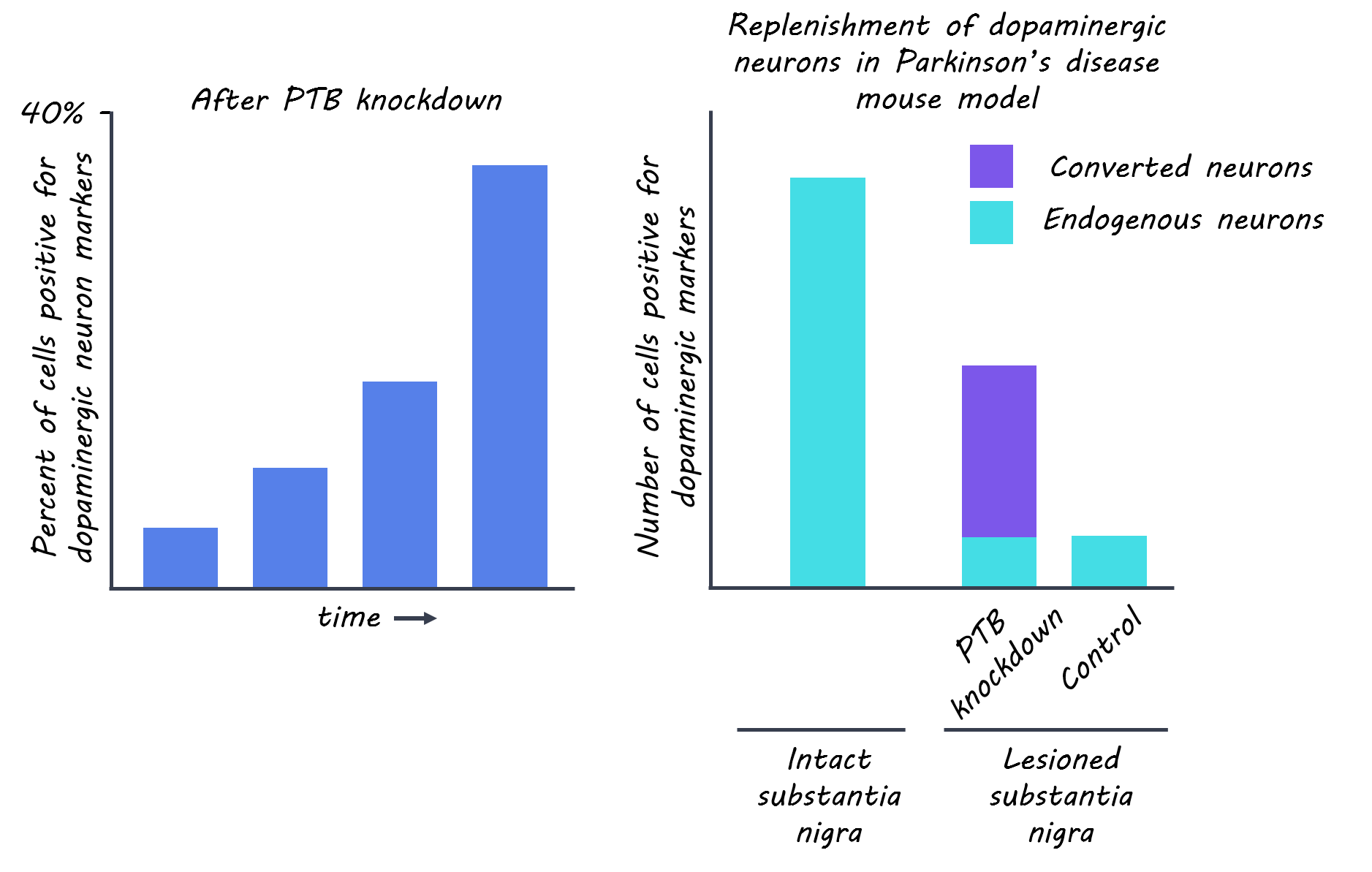
The authors determined that up to 80% of astrocytes displayed neuronal morphologies only four weeks after in-vitro viral transduction. These cells also exhibited neuron-specific electrophysiological properties including voltage-gated sodium and potassium channels and action potential firing, suggesting that PTB knockdown is sufficient to convert astrocytes into neurons in both mouse and human tissue. Then, the authors revealed that the in vivo conversion of astrocytes to neurons in the substantia nigra was a gradual process, with 20% conversion at three weeks, 60% conversion at five weeks, and finally, 80% conversion at ten weeks post-injection. Moreover, they observed that these dopaminergic neurons projected to areas of the nigrostriatal pathway including the caudate, putamen, and the nucleus accumbens. Together, these findings suggest that astrocytes in the substantia nigra can be converted into dopamine neurons that are re-incorporated into the nigrostriatal pathway in a time-dependent manner.

Amanda.png

Next, the authors showed that the conversion of astrocytes to neurons restored the population of dopaminergic neurons in the substantia nigra to 33% of the initial number prior to injury. Injury-induced motor deficits resulting from the depletion of dopaminergic neurons were gradually restored to almost normal levels following the viral transduction of astrocytes. Furthermore, chemogenetic manipulations confirmed that these improvements in motor deficits were due to the reconstitution of the dopaminergic neuronal population in the substantia nigra

What’s the impact?

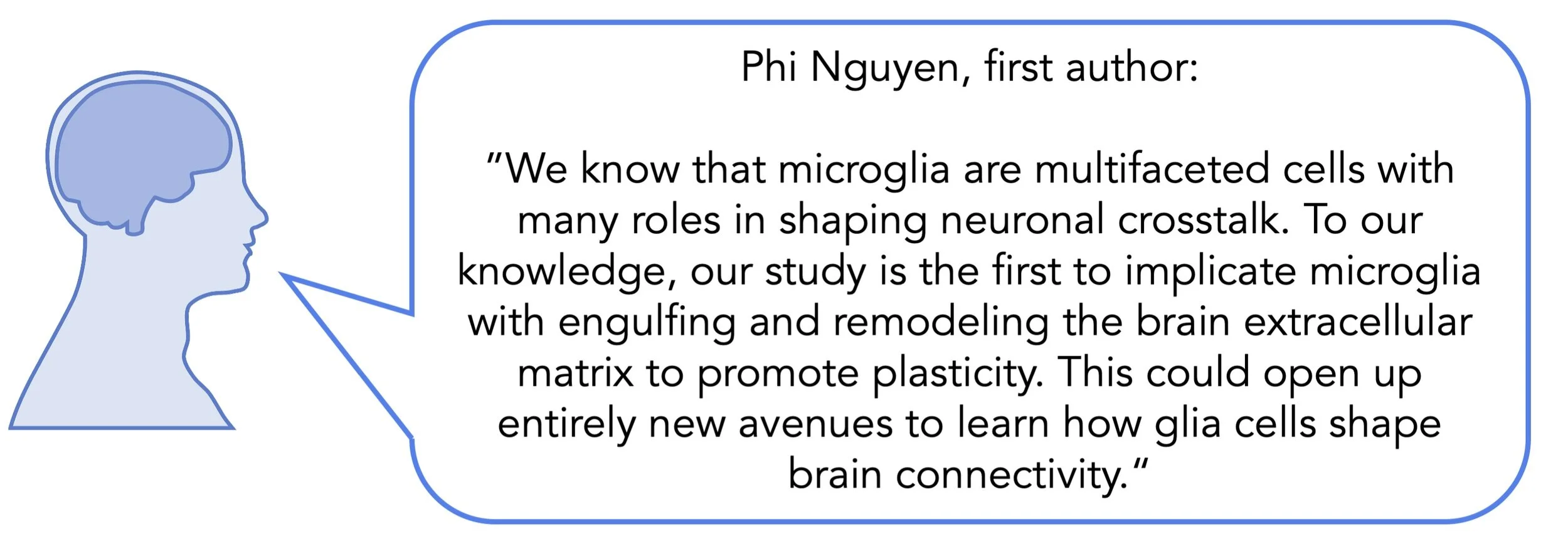
This is the first study to show that it is possible to reprogram astrocytes in the substantia nigra of the mouse brain to become functional dopaminergic neurons. Moreover, the authors demonstrated that this conversion of astrocyte to neuron could be used to partially restore the population of dopaminergic neurons in the substantia nigra as well as improve motor deficits following a chemically induced lesion to this area. Together, these findings provide exciting new insights into possible treatments that could be developed to treat individuals with neurodegenerative disorders, like Parkinson’s disease, that are associated with a substantial loss of neuronal populations. 

Fu_quote_Jun30.jpg

Qian et al. Reversing a model of Parkinson’s disease with in situ converted nigral neurons. Nature (2020). Access the original scientific publication here.