
Intranasal VEGFD Treatment Reduces Brain Damage Following Stroke

Post by Cody Walters

What’s the science?

Ischemic stroke occurs when an artery supplying the brain is obstructed. The resulting loss of blood flow causes dendrite loss and cell death in the surrounding brain tissue. Stroke is also known to result in an increase in extracellular glutamate which triggers toxic NMDAR signaling. Currently, there are no pharmacological treatments designed to preserve the structural integrity of dendrites post-stroke despite the promise of such a therapy to mitigate stroke-associated motor and cognitive impairment. This week in PNAS, Mauceri et al. report that administering either vascular endothelial growth factor D (VEGFD, a protein implicated in dendritic maintenance) or VEGFD peptide mimetics reduced dendrite loss, brain damage, and behavioral impairment in a mouse model of ischemic stroke.

How did they do it?

The authors studied the effects of stroke on VEGFD expression levels, dendrite morphology, and behavior both in vitro and in vivo. They studied the effects of oxygen-glucose deprivation on cultured mouse hippocampal neurons in vitro  (by incubating their cultures in a deoxygenated, glucose-free medium to mimic stroke) and the effects of middle cerebral artery occlusion (a mouse model of ischemic stroke) in vivo. The authors then used qRT-PCR to quantify mRNA levels, Golgi staining to assess dendrite length, and the corner test to investigate behavioral impairment following middle cerebral artery occlusion. They also tested the effects of administering VEGFD and VEGFD peptide mimetics on dendrite length, cell death, and behavioral impairment using their stroke injury models.

What did they find?

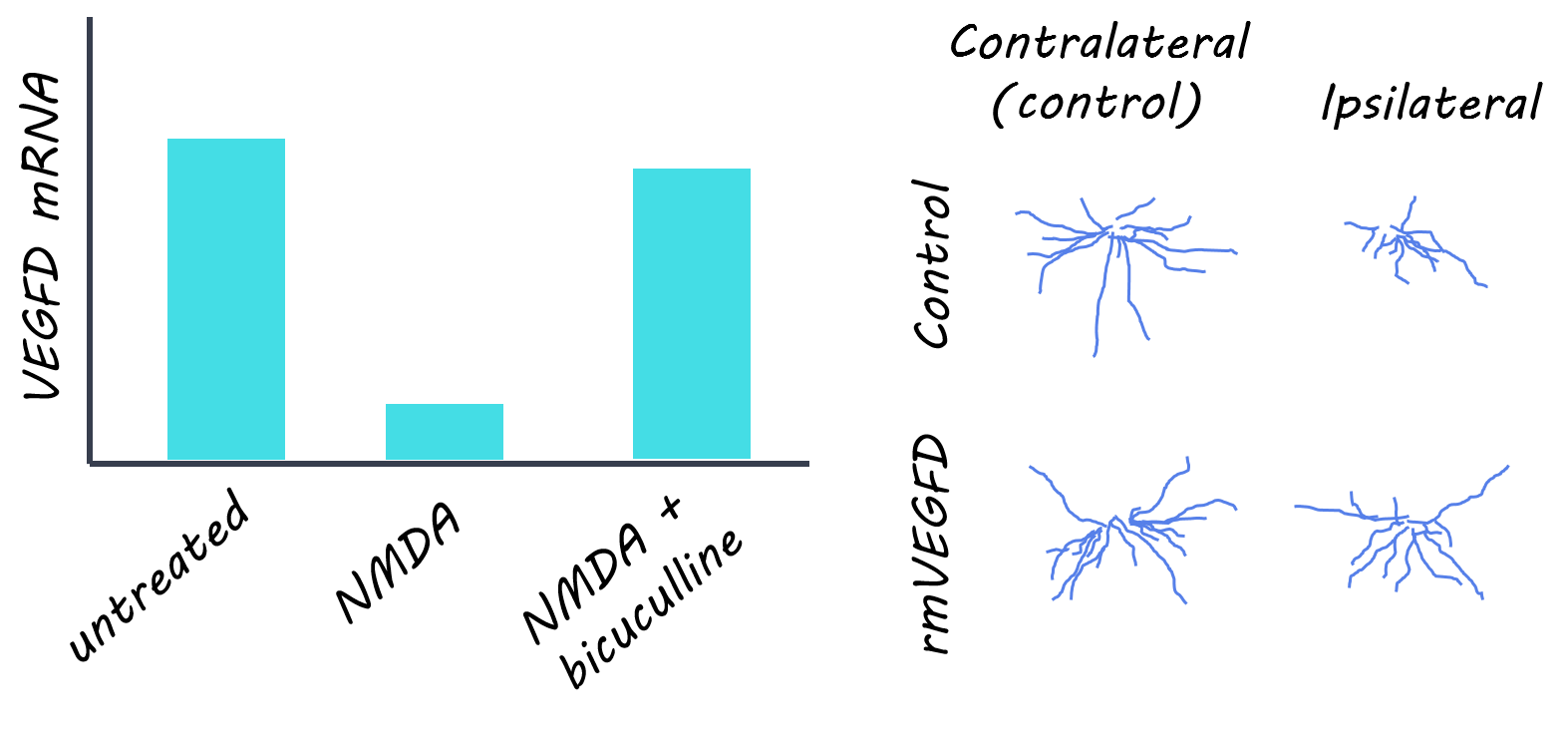
In vitro, the authors found that bath application of NMDA (therefore stimulating NMDA receptors) to cultured hippocampal neurons dramatically reduced VEGFD mRNA levels relative to control levels. To determine whether this effect was driven by synaptic NMDARs or extrasynaptic NMDARs, they selectively blocked synaptic NMDARs (using bicuculline, a GABAA receptor antagonist, and MK-801, an open-channel NMDAR blocker) to isolate extrasynaptic NMDARs. Then, they applied NMDA and discovered that VEGFD mRNA levels were still reduced relative to controls, suggesting that this effect is mediated by extrasynaptic NMDARs.
Cody_pic.png

In vivo, the authors injected recombinant VEGFD directly into the ventricles (fluid-filled cavities in the brain) and found that there was a reduction in the volume of infarct tissue (i.e. dead tissue) and behavioral impairment following middle cerebral artery occlusion relative to controls. Furthermore, the cell cultures of animals that were treated with intraventricular recombinant VEGFD had less dendrite loss but no reduction in hippocampal cell death (relative to untreated controls) following oxygen-glucose deprivation. These data suggest that VEGFD is not directly neuroprotective, but rather that its ability to preserve neuronal structure might indirectly attenuate stroke-related cell death. Finally, the authors demonstrated that intranasal delivery of either recombinant VEGFD or VEGFD peptide mimetics (they synthesized a library of VEGFD-derived peptides and screened for variants that had the highest binding affinity for the VEGFD receptor VEGFR3) had similar effects to injecting recombinant VEGFD into the ventricles – both of these methods also resulted in reduced dendrite loss, neuronal cell death, and behavioral impairment relative to controls.

What’s the impact?

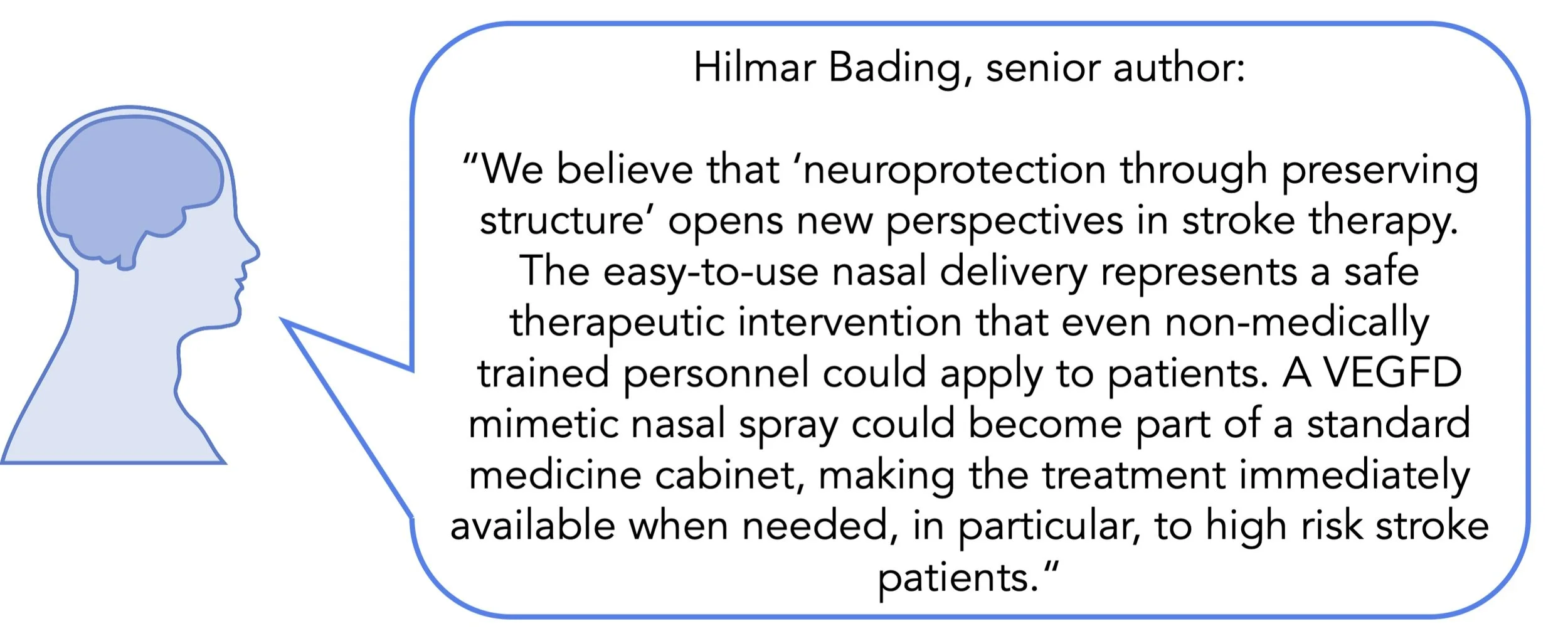
This study outlines a model of stroke-associated dendrite loss as well as a novel, non-invasive therapeutic to alleviate structural and functional impairment following ischemic stroke. Interestingly, a variety of neurodegenerative disorders such as Huntington’s, Alzheimer’s, and Lou Gehrig’s disease are, like stroke, characterized by elevated levels of extrasynaptic NMDAR activity. Thus, these findings suggest that future research should consider investigating VEGFD supplementation as a treatment option not only for stroke but for a range of neurodegenerative diseases.
VEGF_quote_Apr7.jpg

Mauceri et al. Nasally delivered VEGFD mimetics mitigate stroke-induced dendrite loss and brain damage. PNAS (2020). Access the original scientific publication here.
The Effects of Exercise on Cognition

Post by Shireen Parimoo

What's the science?

Exercise has a positive impact not only on our physical health but also our mental health and cognitive abilities. For example, exercise might protect against cognitive decline in older age and may be an effective treatment option for major depressive disorder. However, research on the cognitive benefits of exercise is not always clear-cut. Does exercise really enhance cognition in healthy individuals? This week in Nature Human Behavior, Ludyga and colleagues conducted a meta-analysis of previous studies to determine whether exercise has a beneficial effect on cognitive performance.

What do we already know?

Research on this topic is mixed, with some studies reporting positive effects of exercise on cognitive performance and others finding no effect. This is because the results not only vary depending on the type, intensity, duration, and frequency of exercise but also factors like someone’s age and sex. For example, some studies find that endurance exercises like running and swimming are better for cognitive outcomes than strength-based exercises, while other studies suggest that both are equally effective. Similarly, different studies report opposite effects of exercise on men and women, but they differ in the age groups of their participants. As it’s not feasible to include all of these variables in a single experiment, most studies – including previous meta-analyses – only examined a limited number of these variables, making it difficult to draw a definitive conclusion on the topic.

What’s new?

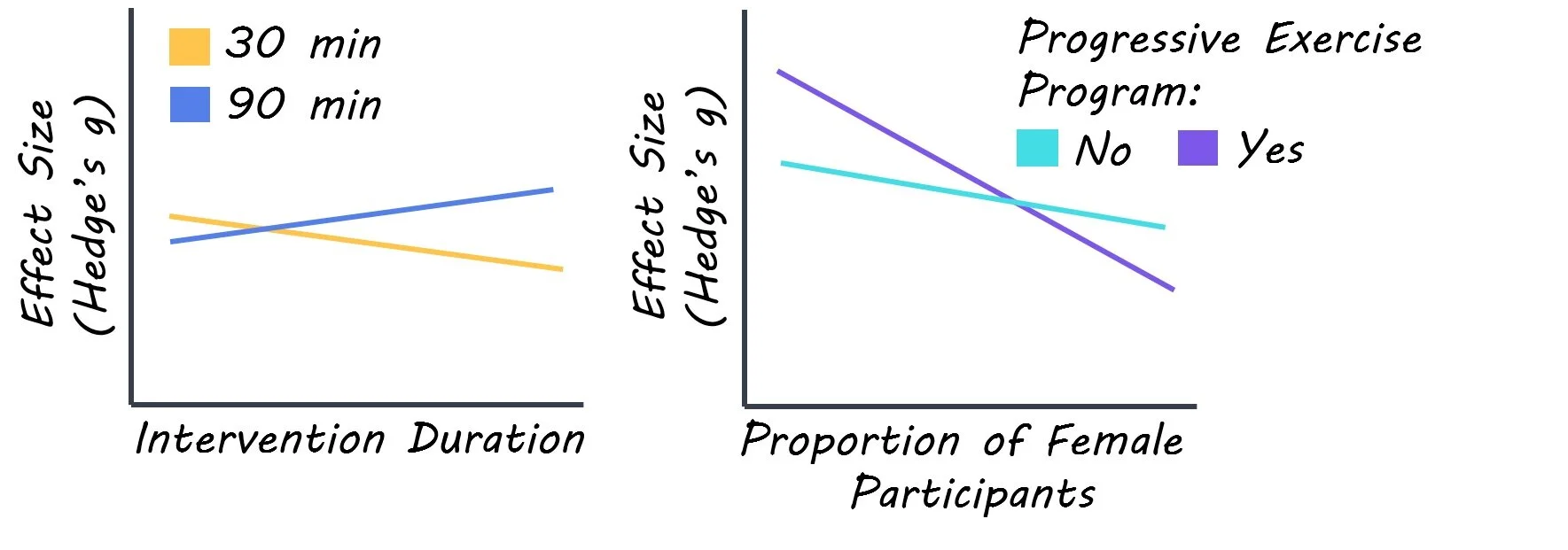
The authors performed a meta-regression on 80 randomized controlled trials and found that overall, exercise had a small effect on cognitive functions like complex attention, executive functioning, and memory. These effects on cognition were similar after different types of exercise, which included endurance, resistance/strength, and coordinative exercises (e.g. dancing). In short-term exercise programs, short exercise sessions (e.g. 30min) were found to enhance cognitive performance, whereas, in programs lasting longer than 5 months, longer sessions (e.g. 60min) had a larger impact on cognition compared to shorter ones. Interestingly, the effects of different types of exercise and intensity varied based on participant characteristics. Women, children, and older adults saw the greatest effects from low intensity and coordinative exercises, which the authors speculate could be because coordinative exercises pose greater demands on cognition and recruit similar brain regions as cognitive tasks. On the other hand, men were more likely than women to benefit from progressive (becoming more intense over time) and high-intensity exercises of all types.

Shireen_pic.jpg

What's the bottom line?

The effect of exercise on cognition depends on many variables ranging from the type of exercise to someone’s age. Overall, exercise is associated with improvements in cognitive function. These findings have important implications for people’s life outcomes, as cognitive abilities are closely related to school and job performance, as well as for future research to further explore the differential relationship between exercise and cognition in different populations.

exercise_quote_Apr7.jpg

Ludyga et al. Systematic review and meta-analysis investigating moderators of long-term effects of exercise on cognition in healthy individuals. Nature Human Behavior (2020). Access the original scientific publication here.
Social Framing Effects in the Brain

Post by Deborah Joye

What's the science?

It’s appealing to believe that our choices and thought processes are based on logical, rational judgment, but much of our thinking is subject to various cognitive biases. One of these cognitive biases is the framing effect, in which an identical situation can be described (framed) in opposing ways. For example, someone is more likely to buy an 80% fat-free yogurt (positive framing) compared to a 20% fat yogurt (negative framing). However, the framing effect can have different outcomes in social situations. When making a non-social decision, like gambling, people tend to make their decisions based on which option is more beneficial for them as an individual. But when making social decisions, people consider how their decision might affect others. Research investigating the brain circuitry underlying framing effects has overwhelmingly focused on non-social tasks. Since social framing results in more complex considerations of how our choices affect others, it is likely that the brain circuitry underlying social framing is different from non-social framing. This week in The Journal of Neuroscience, Liu and colleagues use a social framing task combined with brain imaging and neural manipulation to demonstrate that the activation of the right temporoparietal junction specifically underlies the social framing effect and does not impact non-social framing.

How did they do it?

The authors first recruited 33 participants to undergo their novel behavioral task where they were asked to either “not harm” or “help” another person. The actual situation was always the same but the wording differed. In the “Harm frame” participants had to decide between a “harm” option or a “not harm” option which would cost them a small amount of money. In the “Help frame” participants had to decide between a “not help” option, or a “help” option, which would cost them a small amount of money. Participants performed this task in a functional magnetic resonance imaging machine (fMRI) so that the authors could investigate which brain regions showed activity connected with performance on the task. After they determined brain regions of interest, the authors recruited 60 new participants to undergo transcranial direct current stimulation (tDCS). This technique can increase or decrease neuronal excitability within brain regions, allowing them to test whether turning a region “on” or “off” affected performance in a behavioral task. The authors then manipulated neural activity during both a social and a non-social task to determine whether the regions of interest were involved with a specific task type.

What did they find?

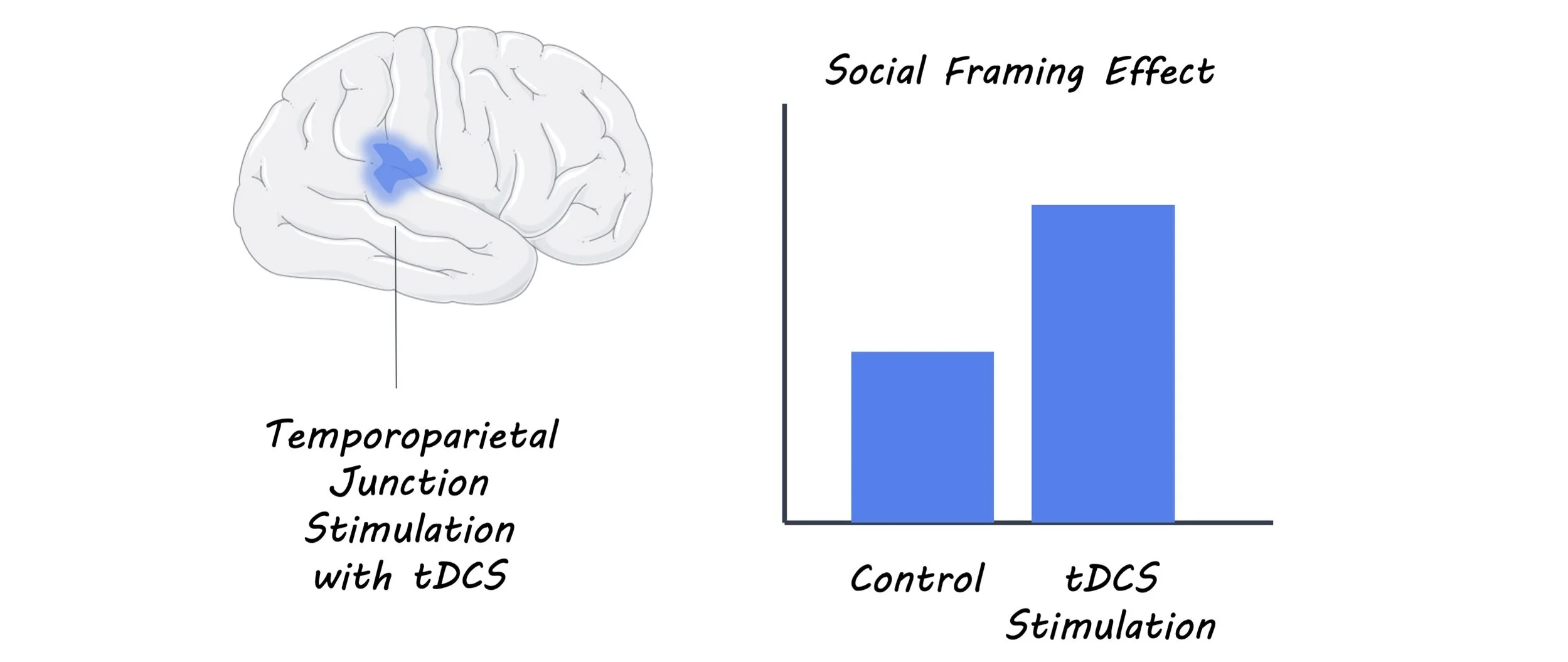
The authors found that participants were much more likely to pay to “not harm” a fellow participant than they were to “help” them, demonstrating that this task had a strong social framing effect. Several brain regions were active during this task, but the right temporoparietal junction was strongly activated during both Help and Harm frames, leading the researchers to focus on this region specifically. Interestingly, regions typically associated with non-social tasks, including the amygdala and the anterior cingulate cortex were not activated by this task. The authors also found that the right temporoparietal junction showed functional connectivity to the medial prefrontal cortex, and the strength of that connection predicted how strongly participants were affected by the social framing. The authors then tested whether manipulation of right temporoparietal junction activity with tDCS could change how participants performed on social and non-social framing tasks. They found that when the right temporoparietal junction was excited, the social framing effect was significantly increased relative to sham stimulation. Interestingly, they also found that the framing effect was decreased when the right temporoparietal junction was inhibited. Importantly, neither excitation nor inhibition of the right temporoparietal junction altered performance on a non-social framing task, suggesting that this region may be specific to social framing.

social_framing_Apr7.jpg

What's the impact?

This study reveals that the neural circuitry underlying social and non-social decision-making is different. Specifically, the right temporoparietal junction and its connectivity to the medial prefrontal cortex contribute significantly to the social framing effect but manipulation of this region does impact non-social framing effects. These findings are important because a deeper understanding of the differences between social and non-social decisions and how the brain processes them could increase understanding of how to enhance prosocial behavior

Liu et al., The Neural Mechanism of the Social Framing Effect: Evidence from fMRI and tDCS Studies, Journal of Neuroscience (2020). Access the original scientific publication here.