BIN1 Interacts with Tau Protein and Rescues Memory deficits in a Mouse Model of Tauopathy

Post by Amanda McFarlan

What's the science?

Alzheimer’s disease (AD) is a neurodegenerative disorder known to cause deficits in short-term memory, long-term memory and spatial memory. Neurofibrillary tangles, that arise due to the aggregation of hyperphosphorylated Tau proteins, are one of the main biomarkers of AD. Recent studies have shown that the bridging integrator 1 gene (BIN1) is associated with late-onset forms of AD and interacts directly with the Tau protein. This week in the Acta Neuropathologica, Sartori and colleagues investigated the role of overexpressed BIN1 in a mouse model of Tauopathy as well as the underlying molecular mechanisms regulating BIN1-Tau interactions.

How did they do it?

In the first set of experiments, the authors assessed the role of BIN1 expression levels on cognitive function using male and female mice from three different genetic strains: Tau mice (overexpressed the human MAPT gene to produce a Tauopathy model), Tau/BIN1 mice (overexpressed both human MAPT and human BIN1 genes) and control mice. They performed the novel object recognition and Morris water maze at 3, 6, 9, 12, and 15 months to assess the effect of BIN1 overexpression on short-term, non-spatial memory and long-term spatial memory, respectively. In the second set of experiments, the authors investigated the underlying mechanisms that modulate the interaction of BIN1 and Tau — they performed immunolabelling to quantify the level of Tau phosphorylation in the hippocampus. Next, they used proximity ligation assay and primary neuronal cultures to assess the effect of BIN1 overexpression on the amount and localization of BIN1-Tau complexes. It is known that phosphorylation of Tau prevents its interaction with BIN1. Therefore, the authors developed a semi-automated high-content screening approach to identify specific compounds in signaling pathways that may be involved in Tau phosphorylation. Finally, in the third set of experiments, the authors quantified the levels of total and phosphorylated BIN1 in human brain samples from 28 individuals (10 controls, 18 diagnosed with Alzheimer’s disease) with varying degrees of Tau pathology.

What did they find?

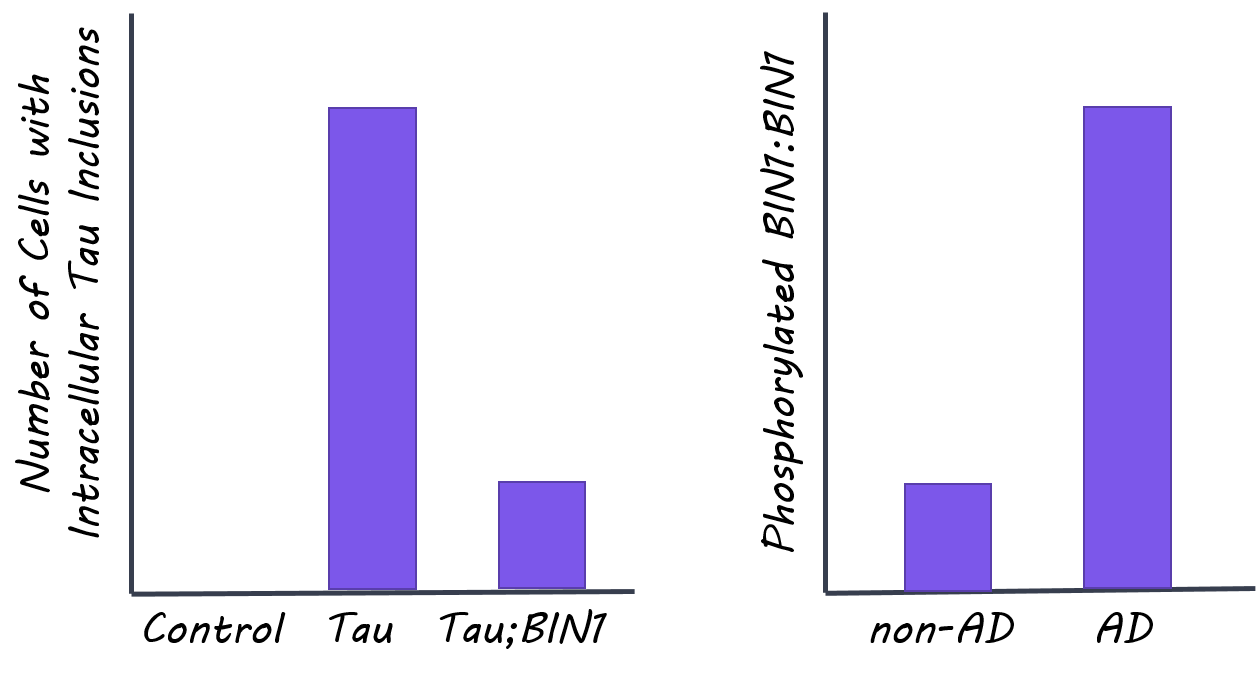
The authors found that short-term memory deficits were induced in male and female Tau mice starting at 9 months, while Tau/BIN1 mice showed short-term memory deficits as early as 3 months. Conversely, they determined that male Tau mice displayed long-term and spatial memory deficits at 12 months, while male Tau/BIN1 mice did not display any long-term or spatial memory deficits at any age. Together, these results suggest that overexpression of BIN1 worsens Tau pathology phenotypes for short-term memory deficits but rescues long-term and spatial memory deficits. Next, they revealed that Tau/BIN1 mice had significantly lower levels of Tau phosphorylation in the hippocampus compared to Tau mice (as determined by fewer cells with intracellular inclusions) and that Tau/BIN1 mice had a strong increase in the proximity ligation assay signal (amount of BIN1-Tau complexes) compared to Tau mice and controls.
acta.png

Together, these results suggest that overexpression of BIN1 increases the number of BIN1-Tau complexes in the hippocampus which decreases the amount of phosphorylated Tau that can form toxic intracellular inclusions (i.e. protective against neurofibrillary tangles). Next, the authors determined that the signaling pathways regulated by Cyclosporin A (an inhibitor of the serine/threonine protein phosphatase Calcineurin) were important for mediating the interaction of BIN1 and Tau. They showed that dephosphorylation of BIN1 by Calcineurin on a cyclin-dependent kinase phosphorylation site at T348 promoted the open conformation of BIN1. Phosphorylation at this site increased the likelihood of BIN1 and Tau interactions. These findings suggest that Cyclosporin A mediates the interaction of BIN1 and Tau via the dephosphorylation of T348 by Calcineurin. Finally, the authors determined that although global levels of BIN1 were unchanged in AD conditions, a higher proportion of overall BIN1 levels were phosphorylated in individuals with AD compared to controls.

What's the impact?

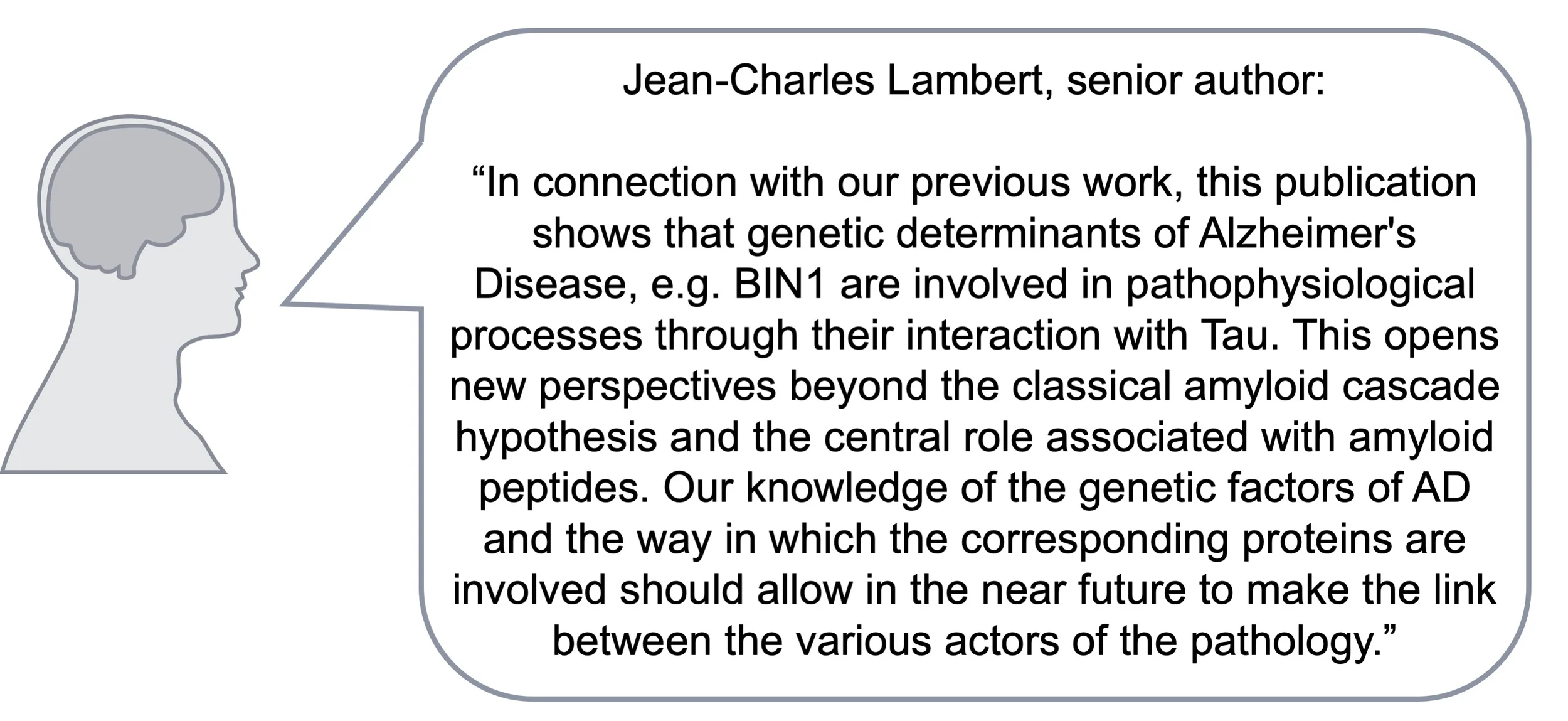
This is the first study to show that the complex regulation of the interaction between BIN1 and Tau is involved in AD pathology. Mouse models revealed that overexpression of BIN1 had neuroprotective effects for Tau phenotypes including long-term and spatial memory deficits, and that this may be regulated by the interaction between BIN1 and Tau. Altogether, these findings provide important insight into the underlying mechanisms leading to AD pathology.
Lambert_quote.jpg

Sartori et al. BIN1 recovers tauopathy-induced long-term memory deficits in mice and interacts with Tau through Thr348 phosphorylation. Acta Neuropathologica (2019). Access the original scientific publication here.
Cell Type-Specific Molecular Changes in Autism Spectrum Disorder

Post by Stephanie Williams

What's the science?

Identifying molecular differences that distinguish the brains of individuals diagnosed with autism spectrum disorders (ASD) from non-autistic brains is important for understanding how the brain develops and functions differently in autism. This week in Science, Velmeshev, Kriegstein and colleagues analyzed the transcriptomes of single cells to identify cell-type-specific molecular changes in ASD.

How did they do it?                                            

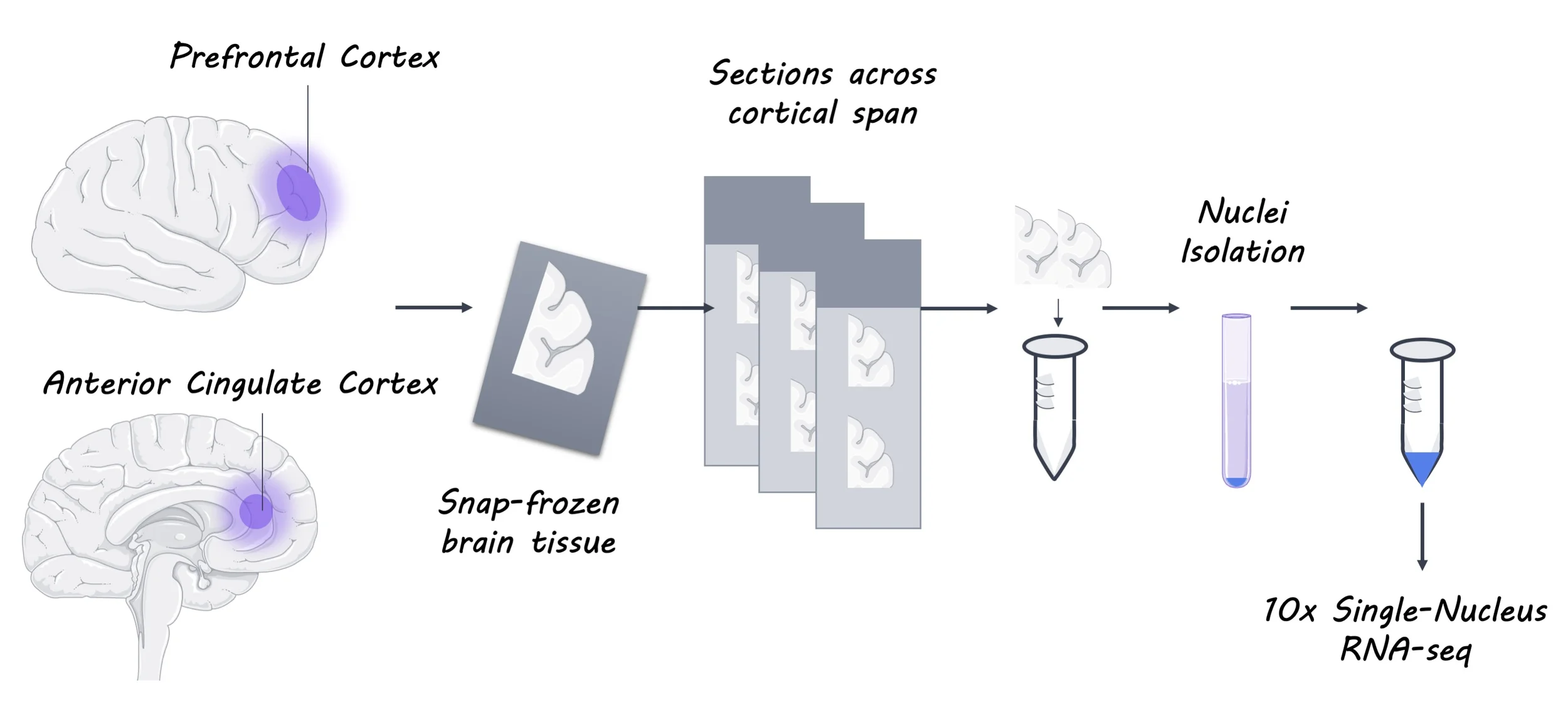
The authors analyzed the transcriptomes of neural and glial cells from post mortem brain tissue of children and young adults (aged 4 to 22) diagnosed with autism (N=15) and healthy controls (N=16). The authors used single nucleus RNA sequencing (snRNA-seq) to analyze the transcriptomes of single cells in tissue samples from prefrontal cortex and anterior cingulate cortex, two areas known to be affected by ASD. The snRNA-seq technique allowed the authors to analyze the molecular profile of individual cells. Some patients in the ASD cohort had comorbid sporadic epilepsy, which allowed the authors to create an additional age matched group of controls to compare with this group for further analysis. They performed this analysis to tease apart the differences between epilepsy-related molecular changes and ASD-specific molecular changes. The authors then used data from structured interviews to test whether their cell-type specific findings were related to symptom severity.

ASD_image_May21.jpg

What did they find?

The authors identified changes in 17 cell types, and found dysregulated development and signaling of upper layer cortical neurons along with activated astrocytes in the ASD group. The genes that the authors found to be most differentially expressed were in layer 2/3 excitatory neurons and vasoactive intestinal polypeptide-expressing interneurons - specifically, genes responsible for synaptic and neurodevelopment. In non-neuronal cells, the top genes differentially expressed were up-regulated in protoplasmic astrocytes and microglia. The authors found that ASD samples contained more protoplasmic astrocytes. Changes in layer 2/3 neurons and microglia were correlated with symptom severity. This correlation suggests that the molecular changes the authors find in the upper layer cortical neurons are responsible for the behavioral symptoms observed in ASD. Analysis of differences between patients who had comorbid ASD and epilepsy with healthy controls revealed changes in L5/6 corticofugal projection neurons and parvalbumin neurons, confirming that the molecular changes observed in the ASD sample were related to ASD pathogenesis and not seizure activity.

What's the impact?

The authors provide a detailed account of specific cell types that contribute to neural pathways affected in the brains of individuals with ASD. Broadly, the authors replicate and extend previous observations about circuit level dysfunction in ASD. Previous work had shown that there was convergence of ASD on specific cell types during development, and the authors extended this finding by showing that there are also convergent transcriptional changes in adult ASD patients. The convergence of the observed molecular changes in the ASD group onto specific cell types in adults has far-reaching implications as it confirms that there may be a common set of targets for therapeutic treatments.

Velmeshev_quote_May21.jpg

Velmeshev, et al. Single-Cell genomics identifies cell type-specific molecular changes in autism. Science (2019). Access the original scientific publication here.
The authors’ data can be viewed interactively here

Hypothalamic Oxytocin Neurons Represent Fear Engrams in Rats

Post by Lincoln Tracy

What's the science?

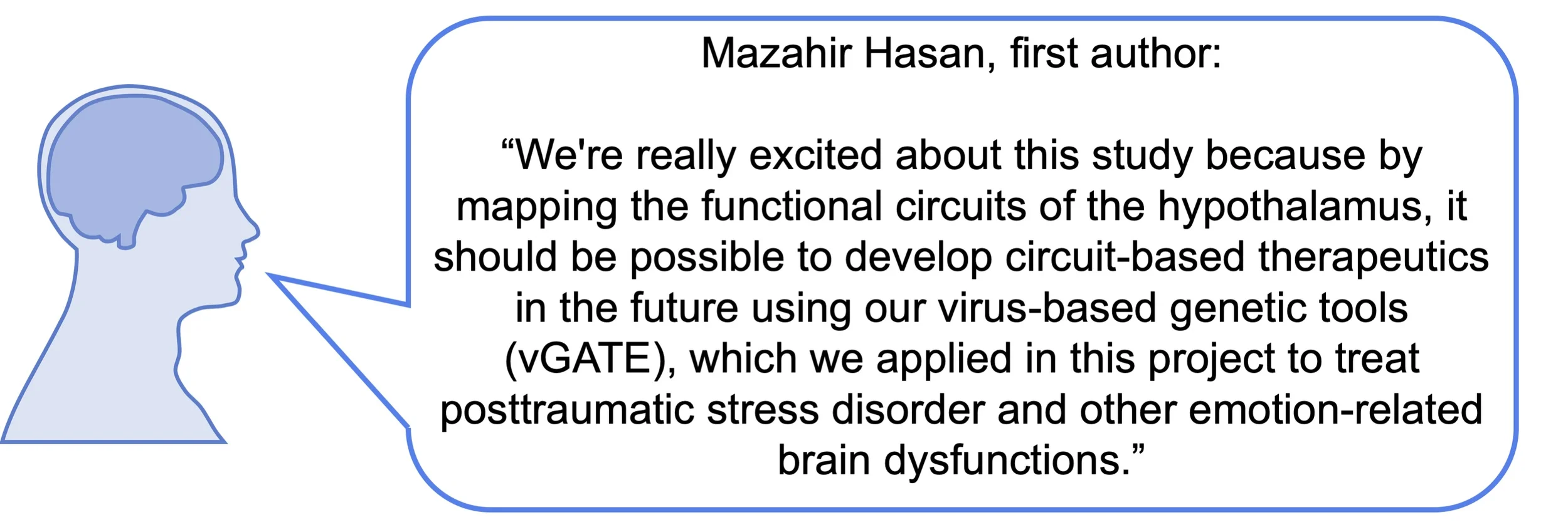
Emotional memory representations or engrams (i.e. memory traces, stored in the brain) such as fear, are critical for survival. These engrams allow both animals and humans to sense, evaluate, and respond to dangerous situations in an appropriate manner. Two brain regions involved in the development of fear-related memories—the hypothalamus and the central nucleus of the amygdala (CeA)—are connected by oxytocin neurons. The endogenous hormone oxytocin may play an important role in modulating fear, due to its ability to modulate the salience of social cues and events. However, the exact role of hypothalamic oxytocin neurons in fear conditioning or learning is unknown. This week in Neuron, Hasan and colleagues developed a novel genetic tagging method—virus-delivered genetic activity-induced tagging of cell ensembles, or vGATE—to tag fear-activated oxytocin neurons in rat brains during fear conditioning.

How did they do it?

First, the authors developed the novel genetic method vGATE in a small subset of hypothalamic oxytocin neurons. This method uses a c-fos promoter and three different viruses to identify and permanently tag a small subset of neurons with fluorescent proteins. After confirming that their model worked, they investigated what proportion of the hypothalamic oxytocin neurons contributed to the anxiolytic effect and how these neurons were recruited during fear using a fear conditioning paradigm. They then analyzed brain slices to determine whether the hypothalamic oxytocin neurons projected to the CeA. The authors also used optogenetics—a technique in which neural activity can be controlled by shining light on the vGATE neurons—to investigate whether fear-related behaviors could be controlled. They used histology and electrophysiology to investigate potential anatomical and molecular changes in the brain following fear experience. Finally, they introduced a novel context to the fear conditioning paradigm to investigate the role of hypothalamic oxytocin neurons in fear extinction.

What did they find?

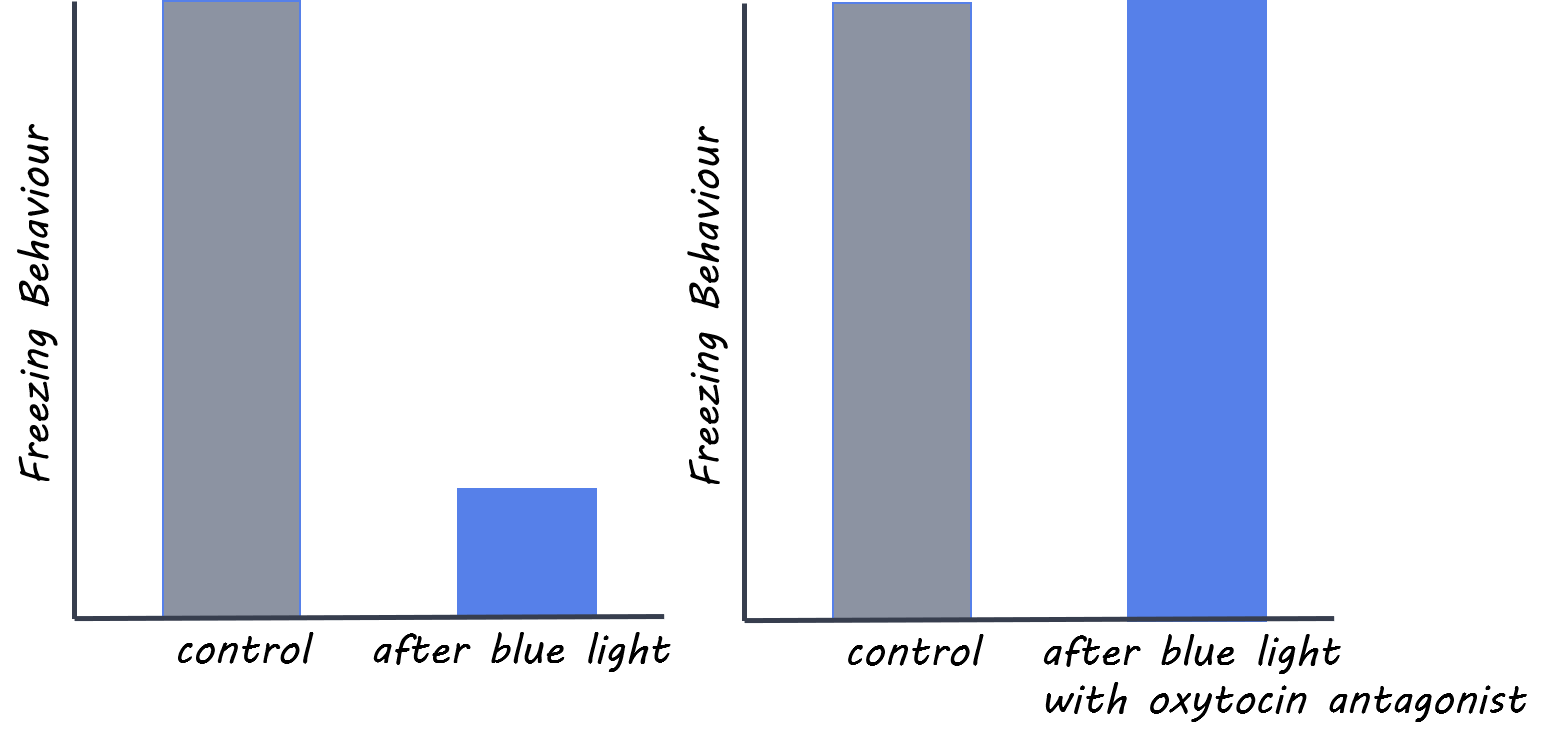
First, the authors found that only a small proportion of the hypothalamic oxytocin neurons—approximately 13 percent—were active during the expression of fear. Second, they found that the majority of vGATE hypothalamic oxytocin neurons projected to the lateral part of the CeA. Third, when the vGATE oxytocin neurons were optogenetically simulated with a blue light there was a substantial reduction in the amount of time the rats were frozen with fear. Fourth, they found that the vGATE oxytocin neurons showed increased glutamatergic—but not oxytocinergic—transmission within the medial CeA during fear exposure. Finally, they found that inhibiting the vGATE oxytocin neurons exclusively impaired fear extinction, suggesting that fear extinction involves blocking oxytocin and glutamate mediated neural modulation in the CeA. These findings suggest that the vGATE oxytocin neurons represent a neuromodulatory memory trace that is a vital contributor to controlling fear-related memories and behaviors.    

lincoln.png

What's the impact?

This study is the first to demonstrate that vGATE-assisted hypothalamic oxytocin neurons are adequate to drive fear-related behaviors and are required for extinction of these behaviors. Importantly, experiencing fear leads to large amounts of neural plasticity, bringing about a shift in the lateral CeA from oxytocin signaling to glutamate signaling. These findings have important implications for future investigations of the pathophysiological mechanisms that underlie emotion-based mental disorders (such as PTSD) and their potential treatments, including exogenously administered oxytocin and virus-delivered genetically based therapies.

Hasan_quote_may21.jpg

Hasan et al. A Fear Memory Engram and Its Plasticity in the Hypothalamic Oxytocin System. Neuron (2019). Access the original scientific publication here.